If you have ever cruised down the 101 through Camarillo on a bright afternoon, you know how the light can shift from soft marine haze to piercing sun within a few miles. That contrast is part of the beauty of Ventura County, but it is also why drivers around Las Posas Road, Ponderosa Drive, and the Oxnard Plain lean on local auto window tint specialists who understand our microclimates. Finding the right shop “near me” is not just about convenience; it is about partnering with people who live and drive here, who know how the marine layer rolls in from the Pacific in the morning, how the late-day glare bounces off the fertile fields, and how Santa Ana winds can test the resilience of any film. The right team guides you beyond a quick shade pick and toward a thoughtful, long-lasting solution tailored to Camarillo’s unique conditions.
That local understanding shows up from the first conversation. A seasoned installer will ask you where you park at home and work, whether you commute to Thousand Oaks or Ventura, and how you use your vehicle on weekends—trips to Old Town Camarillo, runs to the Outlet mall, or early morning drives up Santa Rosa Road. They will talk in practical terms about heat, interior fade, and privacy in neighborhoods from Mission Oaks to Spanish Hills. And because you may be weighing your options from home and gathering ideas, it helps to explore professional insights about window tinting before you book an appointment, so you can step in with the right questions and clear expectations.
Why local expertise matters in Camarillo
Window tint performs differently depending on climate, elevation, and driving patterns. In Camarillo, we sit in a sweet spot: close to the coast but warm enough to feel inland heat spikes. Marine fog in the morning can make the world look gray and diffuse, while a late-morning clearing floodlights the freeway with hard light. A local expert understands how a film’s clarity, color tone, and glare reduction feel under both kinds of light. That means steering you toward films that remain neutral, not muddy, when the skies brighten and that still cut the mid-day intensity without making night driving harder.
There is also the matter of build quality and adhesive systems. Coastal air has salt, and Santa Ana winds can carry fine dust. Installers who work here daily know how to prep a vehicle to minimize contamination, how to control the work environment, and how to advise on curing, especially when the weather swings from cool mornings to warm afternoons. The result is not just a sleek look on day one, but an installation that ages gracefully over the years you own the vehicle.
What to expect from a professional tint visit
From the moment you arrive, a reputable shop takes time to listen. They will walk around the vehicle with you, looking at existing glass markings, any aftermarket accessories, and how the interior layout could reflect light. If you drive a hatchback with a steep rear window or an SUV with complex quarter glass, they will explain how those shapes affect film selection and installation technique. The best part of this conversation is clarity: you will know what the finished result should look like, how long the car needs to stay for curing, and how to treat the film the first week.
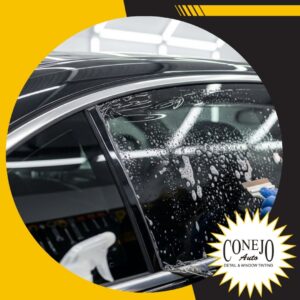
Preparation is a big part of the job. Expect a meticulous cleaning process, careful trimming that respects each edge, and a focus on avoiding contamination. An experienced installer will use patterns that fit your specific model and adapt tools for any tight corners. This is where the difference between a generic tint job and a local expert becomes obvious: you will see clean lines, consistent coverage, and a finish that complements, not fights, the design of the vehicle.
Choosing the right shade and film for Camarillo roads
It is tempting to pick a shade by eye alone, but it is smarter to choose by performance. Neutral, color-stable films keep interiors cooler and resist fading under the intense midday sun we often get after the fog burns off. Ceramic films are well-regarded for their ability to reduce heat and glare while maintaining clear visibility, which matters when you transition from shaded canyons to bright fields along Pleasant Valley Road. If you carpool to schools near Village at the Park or spend long stretches on the 118 and 23 connectors, you will appreciate reduced eye strain and a calmer cabin.
It is also wise to think about your car’s interior. Dark fabrics hide heat better than light leather, and dashboard materials respond differently to UV. A thoughtful installer will point out how film choice helps preserve your upholstery and trim. In the middle of that decision-making, take a moment to revisit professional guidance on auto tinting so you can see real-world examples and confirm the look you want from inside and out.
Camarillo-specific details you should consider
Because our town bridges coastal and inland weather, your tint needs to be versatile. Early morning commuters know how that low sun angle near the grade can flare across the windshield and side glass. Films with strong glare reduction help, but you still want visual clarity for dawn and dusk. The right balance keeps colors true, signage readable, and nighttime reflections under control when you head home along Daily Drive or take the back roads toward Somis. Local experts think about these transitions automatically; it is part of how they recommend a film that feels right at every hour.
Local law and inspection practices also matter. California’s regulations are specific, and an experienced shop in Camarillo will walk you through what is compliant and what is not, saving you the headache of redoing work. They will also talk through mirror requirements if you plan a darker rear window and discuss reflectivity rules that ensure your vehicle looks refined rather than flashy.
Our process, step by step
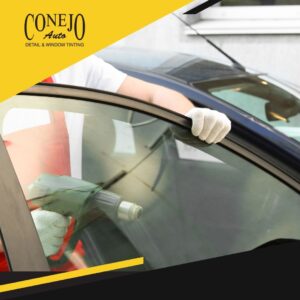
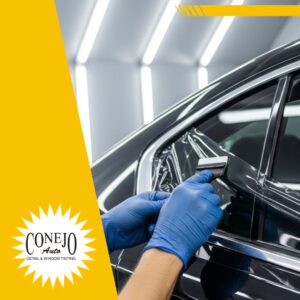
Quality tinting is precision work. After consultation and film selection, the team will prepare each window, shape the film to your glass, and apply it with even pressure to avoid distortion. Corners and edges are aligned carefully, especially on frameless or tight-tolerance doors. Rear glass often requires artful heat shaping, which is where experience truly shows. When the film is set, your installer will review curing expectations and aftercare, including when you can roll windows down and how to clean safely without damaging the surface.
It is worth noting that a proper installation environment in Camarillo takes weather into account. On warmer days, curing can move faster, but installers still schedule vehicles to ensure film sets properly before you drive away. On cool or windy days, they adjust technique and time. That flexibility is part of why working with a local expert pays off: you get a result that looks excellent right away and continues to improve as the film settles.
Aftercare and longevity in our climate
Once the film is installed, the first week is about patience. A little haziness or water pockets can be normal while moisture evaporates. Your installer will advise you on cleaning—soft cloths, mild cleaners, and no ammonia—and on how to spot any issues early. Over the months and years, the benefits add up: a cooler cabin on summer drives to the coast, less sun fade on the seats after long parking stints near the Camarillo Premium Outlets, and a more comfortable commute overall. If you ever have questions, a nearby shop makes follow-ups simple, which is one more reason to stay local.
Frequently asked questions
Q: How long does a typical tint appointment take in Camarillo conditions?
A: Most vehicles are completed the same day, with timing adjusted for our local temperature and humidity. Your installer will let you know when it is safe to pick up and how long to wait before rolling windows down.
Q: Will tint make night driving in Camarillo harder?
A: When you select the right shade and quality film, visibility remains clear at night. Local experts recommend films that maintain contrast and reduce glare from oncoming headlights on roads like Lewis Road and Santa Rosa Road.
Q: How do I choose between different film technologies?
A: Focus on performance and clarity. Ceramic films are popular for balancing heat rejection with visual sharpness, while color-stable options keep a consistent tone in our shifting light. Your installer will match film type to your driving routine.
Q: Can tint help protect my vehicle’s interior?
A: Yes. Quality films block a significant portion of UV that contributes to fading and cracking. That protection is especially valuable if your car spends time parked outdoors at parks, trailheads, or shopping centers around town.
Q: What about the top strip on the windshield?
A: California generally allows a non-reflective upper band. A local professional will explain what is compliant and which shade works best for dawn and dusk glare on the 101 grade.
Q: Is there maintenance I should schedule?
A: Day-to-day care is simple—gentle cleaning and avoiding sharp tools near the film. If you notice changes after years of use, a local shop can inspect the film and advise on touch-ups or replacements if needed.
If you are ready to enjoy a cooler, calmer drive through Camarillo’s neighborhoods and open roads, now is a great time to talk with a specialist who understands our town’s light and weather. For professional guidance and friendly, local service, explore your options for car window tinting and book a visit with experts who treat your vehicle with the care it deserves.