When you live and drive in Camarillo, the conversation about window tint quickly becomes a conversation about film types. Our microclimate, poised between the coast and the inland valleys, challenges films in unique ways. Morning fog softens the light around Village at the Park, while afternoon sun over the Oxnard Plain can make your dashboard feel like a griddle. As a result, the film you choose has to do more than look good; it has to work beautifully through those shifts without compromising clarity, comfort, or compliance. Before you step into a shop along Daily Drive or near Old Town, it helps to know the differences between dyed, metalized, hybrid, carbon, and ceramic films, and why one may suit your commute better than another.
If you are just beginning your research, you will find it useful to compare real-world examples of professional window tinting so you can visualize how each film behaves in changing light and along different routes across Ventura County. A local expert will ultimately guide you, but having a foundation helps you ask the right questions and choose with confidence.
Dyed films: appearance-first, entry-level performance
Dyed films are often the entry point for vehicle owners who want a change in appearance and moderate glare reduction. The color comes from a dye layer that absorbs some light, offering a darker look from the outside. While this can create a sleek silhouette, dyed films provide limited heat rejection compared to more advanced technologies. In Camarillo’s mixed light, that means they can make a noticeable difference in the morning but may feel less effective at mid-day when the sun breaks through. On the upside, dyed films are known for a natural, non-reflective appearance, which many drivers prefer for an understated aesthetic.
Metalized films: reflectivity and structure
Metalized films add a very thin metallic layer that reflects solar energy. In practice, that can mean stronger heat rejection and a crisp, slightly mirrored exterior. In full sun, especially as you head toward the grade, metalized films can keep the cabin cooler than dyed films. However, because the film’s performance depends on its metallic content, it is important to choose brands and versions that are engineered for clarity and longevity. Some drivers are also sensitive to the look of reflectivity; if you prefer a neutral tone that blends seamlessly with factory glass, you may want to compare metalized to carbon or ceramic alternatives in person to see what fits your style.
Hybrid films: balance and versatility
Hybrid films combine dyed and metalized layers to deliver a balanced result—better heat rejection than dyed alone, with less reflectivity than a full metalized film. For many Camarillo drivers who shuttle between shaded neighborhoods and bright agricultural stretches, that balance can be just right. Hybrid films tend to offer a classic look with reliable performance, which is why they are common choices for daily drivers that need to feel comfortable without calling attention to themselves.
Carbon films: color stability and cooler cabins
Carbon films step up in both performance and appearance. They typically maintain a deep, consistent color tone that resists fading, even after years of exposure to the bright Ventura County sun. Because of their structure, carbon films absorb and dissipate heat effectively without relying on metals. For drivers concerned about signal interference or those who simply prefer a richly neutral look, carbon films often hit the sweet spot. On late afternoon drives past the Camarillo Premium Outlets, you will notice a steadier cabin temperature and a gentle, natural view through the glass.
Ceramic films: clarity, comfort, and top-tier performance
Ceramic films are the benchmark for many local installers and discerning drivers. Built with advanced ceramic particles that block heat and UV without adding reflectivity, these films excel in our climate. The clarity is exceptional—traffic lights, signage, and the subtle textures of the foothills retain their true color and contrast, whether you are heading up Santa Rosa Road at dawn or down toward the Pacific in the late afternoon. Ceramic films are also known for reducing interior fade and keeping touchpoints like steering wheels and seats more comfortable after a sun-soaked parking session.
Matching film to lifestyle and routes
Choosing the right film is about aligning technology with how and where you drive. If your commute takes you along Lewis Road during early hours, glare reduction without dimming the cabin too much will matter. If you park outdoors at the office or spend weekends at youth sports fields where cars sit in open sun, higher heat rejection pays daily dividends. Parents often prefer neutral tones for privacy in the back seats without creating a cave-like feel for kids; professionals may want a refined, OEM-like appearance that simply looks “right” on a modern sedan or SUV.
In the middle of narrowing your options, give yourself the chance to handle sample films and look through installed examples. And when you want a second opinion grounded in real installations across Ventura County, explore expert perspectives on auto tinting so you can see how each technology performs in bright, coastal, and transitional light.
Installation quality: the hidden performance factor
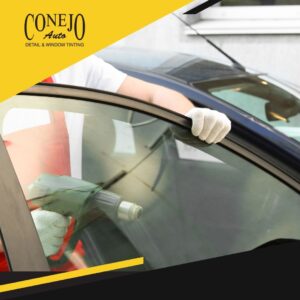
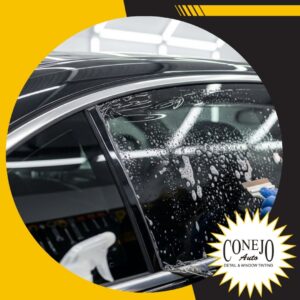
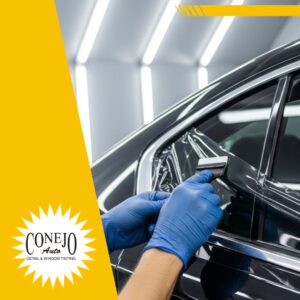
Film choice is only half the equation. Installation quality determines how the film adheres, how edges look, and how it ages. Local professionals invest in careful prep, clean rooms, and cutting techniques matched to your vehicle’s glass. Complex rear windows, frameless doors, and tight seals benefit from a patient, precise approach. The difference shows up in the absence of edge lift, the way defroster lines remain clean, and the glass-like uniformity of the finished product. In a place like Camarillo, where dust can ride in on the breeze and fog can raise humidity, that experience is invaluable.
Care and longevity
Regardless of film type, good aftercare is straightforward. Avoid rolling windows down during the initial cure period, clean with soft cloths and gentle, ammonia-free products, and be careful around edges with ice scrapers or abrasive tools. Over time, you should see steady performance—cooler interiors, less glare, and interiors that age more gracefully. If you ever notice changes, a quick visit to a reputable local shop can confirm whether the film is simply settling or needs attention. With quality films and proper installation, years of clear, comfortable driving are the norm in Camarillo’s climate.
Frequently asked questions
Q: Which film type is best for Camarillo’s changing light?
A: Ceramic films offer standout clarity and heat rejection across bright, foggy, and transitional conditions. Carbon films are a close second for drivers who want a rich, stable look without metallic reflectivity.
Q: Will metalized films interfere with my vehicle’s electronics?
A: Modern, reputable metalized films are engineered to minimize interference, but if you rely on in-glass antennas or sensitive devices, discuss specifics with your installer. Carbon and ceramic films are popular for their non-metallic construction.
Q: How do I compare shade levels?
A: View samples from inside the vehicle, ideally in bright and shaded areas. What looks dark from the outside can feel comfortable and clear from the driver’s seat when properly chosen.
Q: Do darker films always mean better heat rejection?
A: Not necessarily. Technology matters more than darkness. Advanced ceramics can outperform darker dyed films while maintaining superb visibility.
Q: How long will a good film last in Camarillo?
A: With quality materials and professional installation, films are designed to last for years, maintaining color stability and performance through our coastal and inland weather shifts.
When you are ready to transform your commute and protect your interior with the right film, connect with a local specialist who can match technology to your lifestyle. To see how professionals approach selection and installation, and to plan your appointment, explore trusted options for car window tinting and take the next step toward a cooler, clearer drive through Camarillo.