Ask any long-time Camarillo driver why they tinted their vehicle and you will hear familiar themes: cooler cabins during summer afternoons, less glare on the 101, and interiors that look as fresh after school pickups as they did on day one. When the conversation turns to the investment involved, the smartest approach is to understand the factors that shape the estimate rather than focusing on a single number. In our area—where weather, driving patterns, and vehicle types vary widely—the details matter. By learning what professionals consider when preparing a proposal, you can set expectations and choose confidently without surprises.
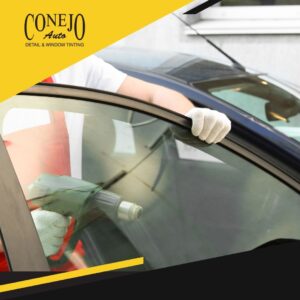
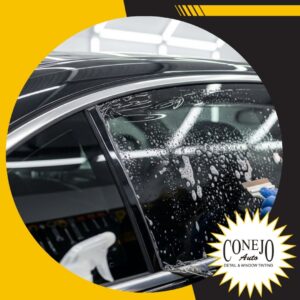
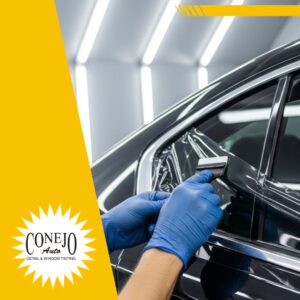
Before we look at the variables, it helps to see how film quality and installation standards translate into daily benefits in Ventura County. Reviewing examples of professional window tinting will give you context, so you can decide what level of performance fits your routine and how to compare options apples-to-apples.
Vehicle size and glass complexity
The size and shape of your vehicle’s glass are foundational to any estimate. A compact sedan with simple door windows is straightforward. Add a sweeping rear window with deep contours, a panoramic roof, or tight quarter glass, and the preparation and installation time rise accordingly. SUVs and minivans often have more total glass area and more pieces, each requiring precise templates and careful trimming. In Camarillo, where many families favor crossovers and three-row vehicles, this complexity is a common factor and an important one to consider when comparing proposals.
Film technology and performance goals
Film choice is the primary driver of performance. Dyed, metalized, carbon, and ceramic films deliver different levels of heat rejection, UV protection, and optical clarity. If your daily parking is outdoors near the Camarillo Premium Outlets or your commute takes you past the bright fields along Pleasant Valley Road, the value of higher-performing films becomes obvious. The right match is the film that meets your comfort and clarity goals while aligning with your expectations for longevity and appearance. Professionals will explain how each technology behaves in our local light and help you target the sweet spot for your vehicle and lifestyle.
Condition of the vehicle and any prior tint
Another factor is whether your car has existing film. Removing old or failing tint introduces extra steps, particularly if there is adhesive residue or if the previous film overlapped defroster lines on the rear glass. Expert removal protects your glass and electronics, but it takes time and care. Local installers see a range of conditions—everything from lightly worn films on daily drivers to purple, bubbled tint on vehicles that have spent years in open parking. Be sure to mention any existing film when you request a proposal so the plan and timeline match your needs.
Shades, legal compliance, and customization
California’s regulations shape your options, especially for the front side windows and windshield eyebrow. A professional in Camarillo will discuss which shades fit your goals while keeping you compliant, and will outline any custom touches you might want, such as a specific hue or an interior-friendly tone that complements light leather. The more customized the look, the more precise the install must be. Shops that focus on a factory-like finish factor in the time required to align edges perfectly and avoid gaps, light leaks, or uneven borders.
Installation environment and quality standards
Quality work relies on a controlled environment. Dust and humidity affect how a film lays down and cures. Local professionals invest in clean prep areas and techniques well-suited to Camarillo’s weather swings, using methods that minimize contamination and ensure even adhesion. If you have ever seen a tint job that looked fine on day one and less-than-perfect a month later, the difference was likely in the preparation and curing. A shop’s standards—how many vehicles they book per day, how they handle edges and seals, and how they test fitment—directly influence the outcome.
Warranty, aftercare, and support
Beyond the day of installation, peace of mind matters. Many premium films come with robust manufacturer backing, and reputable local installers stand behind their work. While you will not necessarily think about aftercare on your first drive down Ponderosa Drive, you will appreciate it months later when you have a question about cleaning or want to check on how the film is settling. Having a nearby team that knows your car and your film type makes those conversations simple and reassuring.
How to compare proposals thoughtfully
When you receive multiple proposals, align the details before you decide. Confirm the film technology and brand family, verify what glass surfaces are included, note whether removal of old film is part of the scope, and ask about the installation environment. Rather than focusing on a single figure, think about the day-to-day value: cooler seats after lunch in Old Town, clearer vision as the sun dips behind the foothills, and a cabin that looks newer for longer. A well-specified proposal should read like a plan, not a mystery.
As you weigh the variables, it can help to revisit trusted examples of professional auto tinting and note which results align with your taste and driving needs. That visual reference will anchor your decision and ensure you are choosing not just a number but an outcome you will enjoy every day.
Timeline considerations in Camarillo’s climate
Local weather affects scheduling and curing. On warm, dry days, film can settle more quickly; on cooler, humid days, your installer may recommend a slightly longer window before rolling down your glass. These are fine-tuned adjustments, but they show the value of a team that adapts to our microclimate. Ask about the expected timeline for your specific vehicle and film selection, and plan your pickup accordingly so the film can begin its life under ideal conditions.
Communication and expectations
The most satisfying tint experiences start with clear communication. A good shop will describe the process, set expectations about initial haze or tiny water pockets that clear as the film cures, and explain aftercare. You should feel invited to ask questions and encouraged to return if anything seems off. That relationship is part of the value you receive—access to local experts who know your roads and your weather and who can keep your vehicle looking and feeling its best.
Frequently asked questions
Q: What information should I provide to get an accurate proposal?
A: Share your vehicle year, make, and model, note any existing tint, and describe how you use the car—commute times, parking conditions, and whether you want added privacy, heat reduction, or both. That context helps match a film to your routine.
Q: How long does a typical installation take?
A: Most vehicles are completed the same day, with timing shaped by vehicle complexity and our local weather. Your installer will give you a pickup window and aftercare instructions.
Q: Can I roll my windows down right away?
A: You will be asked to wait while the film cures. The exact timeframe depends on film type and weather; your installer will provide a clear guideline before you leave.
Q: What if I already have tint on the car?
A: Professional removal protects your glass and electronics and prepares the surface for a clean, durable installation. Be sure to mention existing film when requesting a proposal so time and scope are accurate.
Q: How should I clean my tinted windows?
A: Use soft cloths and gentle cleaners without ammonia. Avoid scraping tools, and be careful around edges. If you are ever unsure, your installer can demonstrate a safe method.
When you are ready to plan your project with clarity and confidence, talk with a local specialist who can align film performance with your daily life in Camarillo. To see what a professional, detail-driven approach looks like and to schedule your visit, explore trusted options for car window tinting and enjoy a cooler, more comfortable drive every day.