Your Camarillo Guide to a Great Car Tint
Ask five Camarillo drivers what they want from car window tint, and you’ll hear the same themes: cooler cabins, less glare, a refined look, and a clean install that holds up for years. The difference between an average result and a great one often comes down to the installer’s process. In a town where the light shifts from marine layer to sparkling sun in a single morning, you need film that performs smoothly and an installer who treats your car like their own. For many locals, the journey starts by talking to a reputable window tinting service that pairs quality materials with consistent technique.
Good tint transforms driving into a calmer experience. Harsh glare on the 101, warm air blasting your face after a quick stop at the Camarillo Premium Outlets, or the fatigue of squinting on late-day errands—these stressors fade into the background when film is chosen and installed well. You don’t have to think about it; the car simply feels better, like the cabin was designed for our conditions from the start.
What Sets a Great Installer Apart
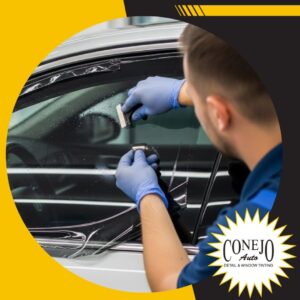
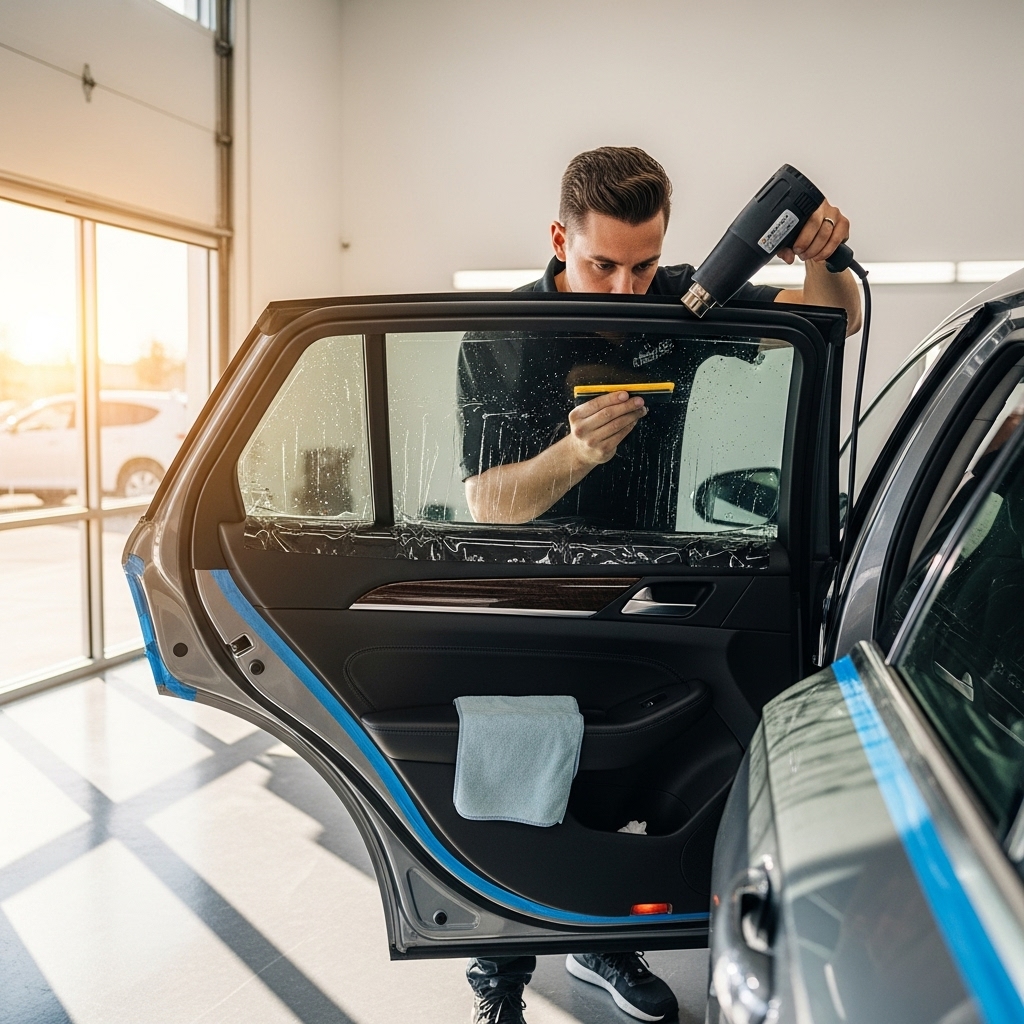
Preparation is everything. Before a single piece of film is cut, professional installers deep-clean glass, purge dust from seals, and mask door panels to protect trim. They use filtered water and clean slip solutions, minimizing contaminants that could become visible specks later. For complex shapes like rear windows, heat shrinking is done carefully to achieve a seamless, one-piece fit when possible. These steps aren’t “extras”—they’re the foundation for a flawless finish.
Edge work separates pros from hobbyists. Consistent margins on every side of the glass create a balanced, symmetrical look that feels OEM. Corners are tucked neatly, and micro-gaps are kept uniform so your eye doesn’t catch uneven lines. Inside, installers keep tools organized and avoid dragging edges that might score the film. The result is an interior that looks untouched except for the measured upgrade of the glass itself.
Choosing Film That Fits Your Life
Film selection should start with your habits, not a menu of buzzwords. Do you commute at dawn, park outdoors at CSUCI, or shuttle kids around Village at the Park in the afternoon heat? Are you particularly sensitive to glare when driving west in the evening? These questions determine whether you’ll benefit most from a ceramic film’s infrared rejection, a carbon film’s balanced performance, or a lighter shade that maintains night visibility while still taking the edge off bright days.
Modern films deliver excellent UV protection, which preserves interior materials and keeps cabins more comfortable regardless of temperature. If you’ve ever returned to your car and grabbed a steering wheel that felt too hot to hold, you’ll appreciate how stronger infrared control changes that moment. A good installer will show you samples on glass and, when possible, a demo vehicle so you can experience the difference rather than guessing from a chart.
Clarity, Color, and Night Driving
Add comfort, yes—but don’t lose clarity. High-quality films maintain a neutral color and low reflectivity, which is crucial for night driving along dim corridors near Camarillo Springs. You want sharp visuals around streetlights and oncoming headlights, not a hazy view. The right product preserves that crispness while cutting glare, so your eyes feel less strained even on long evening drives.
Color stability over time is another marker of quality. The hue you pick should be the hue you keep. Reliable films are engineered to resist fading and purple shift, preserving that refined, intentional look years down the road.
The Installation Day Experience
A professional shop makes installation day simple. They confirm your goals, walk through shade choices, and note any unique features of your vehicle—frameless windows, tight seals, or electronics that need careful handling. They stage the workspace to reduce dust, protect your interior with covers, and keep you updated if timing shifts. When you pick up, they review care instructions, point out what normal curing looks like, and invite you to check back if you have questions. That confidence on both sides is part of what makes a local relationship valuable.
Expect a brief curing period during which windows may show light haze or small moisture pockets. Avoid rolling down windows right away and hold off on cleaning until the film has settled. After curing, maintenance is straightforward: mild cleaners, soft cloths, and common sense around edges will keep your tint looking fresh.
Local Roads, Local Knowledge
Driving in Camarillo means adapting to sunlight that changes minute by minute. Morning tunnels of fog give way to sparkling brightness along the Oxnard Plain, and late afternoons can bring sun angles that bounce off the pavement and right into your line of sight. A local installer recognizes these patterns and can suggest shades that match your routes. If you spend afternoons shuttling along Las Posas, you’ll need a slightly different balance than someone who primarily drives coastal routes or spends nights on dim streets.
That local touch also extends to scheduling and support. Whether you coordinate drop-off around work in Mission Oaks or wait nearby in Old Town, a neighborly shop values your time and communicates clearly about when your car will be ready. If you spot anything unusual during the first weeks, a quick visit answers questions and keeps your confidence high.
Midway Check: Are Your Priorities Aligned?
Before you finalize shade and film type, revisit your priorities. Is glare reduction your top concern? Do you want maximum heat relief for rear passengers? Would you rather keep the look low-key and close to factory? Aligning these goals with the film’s performance specs ensures you love the outcome every time you drive. If you’re still weighing options, a conversation with a respected window tinting service can bring clarity fast, with side-by-side examples that make the decision easy.
Special Considerations for Unique Vehicles
Some vehicles present special challenges—steeply curved rear glass, complex dot-matrix borders, or sensitive interior materials. Skilled installers anticipate these variables. They may adjust techniques to manage dot patterns, use specific heat settings to protect trims, or recommend micro-ceramic films that combine clarity with robust heat rejection. If you drive a classic, a performance car, or a vehicle with frameless doors, choose a team that can speak confidently about these nuances.
For SUVs and family vehicles, installers often tailor shade levels for backseat comfort without making the driver’s visibility feel compromised. You get a cohesive look that meets everyone’s needs, from the driver’s seat to the third row.
Longevity and Peace of Mind
Great tint should feel effortless for years. That means no peeling corners, no discolored film, and no distortion that creeps in over time. It also means you can clean windows normally, live your life as usual, and trust that the look and performance you loved on day one will still be there every morning. If anything does concern you, a local shop that stands behind its work will be easy to reach and quick to respond.
Over time, you’ll appreciate how a well-chosen tint integrates seamlessly into your driving routine. The car feels calmer, your eyes feel fresher, and even short trips around town become more pleasant. It’s a modest upgrade with outsized daily rewards.
Frequently Asked Questions
Here are straightforward answers to common questions from Camarillo drivers considering car window tint.
How long should I wait before rolling down windows?
Usually a few days is sufficient, but full curing can take longer depending on weather and film type. Your installer will provide specific guidance. Patience here helps the adhesive set properly for a lasting result.
Will tint affect my rear defroster or antenna lines?
Quality installations are designed to work with defroster grids and integrated antennas. Careful prep and squeegee technique protect these elements, and the film adheres cleanly to the lines.
What shade is best for night driving?
Many drivers prefer a moderate or lighter shade for the front, balancing day comfort with night visibility. Your routes and lighting conditions matter; a local installer can help you choose a comfortable level.
How do I clean tinted windows?
Use a soft microfiber cloth and a mild, ammonia-free cleaner. Avoid sharp tools or abrasive pads. After curing, routine care is quick and simple.
Will tint change the look of my car dramatically?
It can be as subtle or as bold as you like. Many prefer a refined, OEM-like look that complements the car’s design. Talk with your installer about the aesthetic you want, and review live examples when possible.
What if I notice small bubbles after installation?
Minor moisture pockets can appear during curing and typically disappear as the film sets. If anything persists or looks unusual, contact your installer for a quick inspection.
Ready to Drive in Comfort?
If you want a cooler, calmer cabin and a clean, professional look, partner with a Camarillo installer who values precision as much as you do. From careful prep to thoughtful aftercare, the right team makes all the difference. Get started by connecting with a trusted window tinting service and enjoy the upgrade every time you get behind the wheel.