Anyone who has logged time behind the wheel in Camarillo knows the rhythm of our light: cool, gray mornings that feel almost coastal, and then a swift shift to bright, direct sunshine as the day warms. On the 101, that means long stretches with glare bouncing off concrete and a cabin that heats up faster than you expect. Auto window tinting turns that daily pattern into a comfort advantage. With a quality film and a careful installation, you can settle into a calmer drive that suits our climate and terrain. Before choosing a shop, it is smart to consult a local window tinting service that understands Ventura County roads and the way our weather influences visibility and heat.
What defines a great tint job is not just the film on the glass, but how seamlessly it looks like it belongs there. In Camarillo, where many vehicles are well-loved commuters and weekend family haulers, the goal is a tasteful, integrated appearance with real day-to-day benefits. Whether you are taking morning drop-offs along Ponderosa Drive, cruising out toward the coast, or heading up Santa Rosa Road to catch the farm stands, the right film makes every mile feel easier on your eyes and your AC.
Understanding Film Types: Dyed, Metallic, and Ceramic
The first decision most drivers face is film technology. Dyed films absorb light and offer a budget-friendly look, but they can fade over time and provide modest heat rejection. Metallic films reflect energy well but may carry a mirror-like sheen and can interfere with cellular and GPS signals. Ceramic films, built with non-metallic nanoparticles, are the modern standard for those who want excellent heat control, consistent color, and crystal clarity with no signal interference. For a daily Camarillo commute, ceramic’s balance of comfort and visibility is hard to beat.
Shade selection comes next. A skilled installer will guide you toward a legal, comfortable setup that complements your car’s design. The beauty of modern ceramics is that even lighter shades—ideal for keeping nighttime visibility high—deliver meaningful heat rejection. You do not have to go dark to get the benefit, and that is reassuring when you are navigating dusk along Lewis Road or backing into a tight spot near Old Town.
The Installation Craft: Why Technique Matters
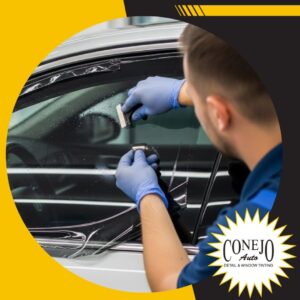
Even the best film cannot hide a rushed installation. The process begins with meticulous cleaning, followed by precision cutting that matches your window shapes. Many local shops use computer-cut patterns tailored to your vehicle, which helps ensure uniformity and protects seals and trim. Squeegee work to remove moisture and bubbles is both art and science; done well, it leaves the film optically clear. Edges are the tell—clean, consistent margins that tuck neatly make the tint read as factory-level quality.
You will also hear about curing time. After installation, a brief period allows moisture to evaporate through the adhesive. During this stage, a mild haze or small water pockets can appear. With our typical Camarillo temperatures and breezes, that haze clears quickly. Installers will advise you on when to roll windows down and how to clean during the first week so the film settles perfectly.
Driving Comfort: Heat Rejection and Glare Control
What you feel immediately is the reduction in cabin heat. Park near Constitution Park at noon and you will notice the difference when you return—surfaces are less punishing, the air feels calmer, and your climate control ramps up more gently. On the move, glare reduction reshapes the drive. Morning sun raking across the fields can wash detail out of your view; with tint, contrast returns and your eyes relax. It is a subtle shift that makes long days behind the wheel less tiring.
If you share the car, pay attention to how passengers respond. Kids can sit next to side glass without a hot patch on their arms. Pets look settled, not agitated. Even on cool days, the film’s ability to filter UV keeps skin protected and prevents dashboards and seats from fading. Over the years, that means your interior looks fresher, with fewer of the hairline cracks that develop in materials stressed by sunlight.
Local Conditions and Legal Compliance
California tint laws are specific about front side windows, and a reputable shop will help you select a configuration that keeps you compliant while maximizing comfort. A common setup here pairs a lighter ceramic shade on the front sides with a darker, legal tint on the rear doors and back glass. The combination reads balanced from outside and functions beautifully on bright days. If you opt for a windshield sun strip, you will appreciate how it tames low-angle glare during sunrise and sunset drives along the 101.
Our weather adds a wrinkle: the mix of marine layer mornings and dry, sunny afternoons. Films that maintain clarity across changing conditions are essential. The better ceramics provide a neutral look that does not skew colors blue or bronze, and they stay stable through years of UV exposure and Santa Ana winds that carry fine dust. That resilience is what separates a tint that still looks great years later from one that ages too quickly.
Evaluating a Shop: What to Look For
Professionalism shows up in small ways. The consultation should be a conversation about how you use the car, where you park, and what you want to see through the glass. A mid-appointment demonstration—holding film samples against your windows in real light—often clarifies your preferences immediately. Midway through your research, reconnect with a proven window tinting service to compare options on-site. Pay attention to how they discuss edges, dot matrix areas, and rear glass with integrated antennas. Those details affect the outcome more than most realize.
Ask about warranties on both film and labor. Quality manufacturers back their products against bubbling, peeling, and discoloration. A shop that trusts its technique will stand behind the work as well. You should also hear straightforward aftercare advice: ammonia-free cleaners, soft towels, and a brief wait before you roll windows down. Clear guidance now prevents small issues later.
Appearance and Vehicle Value
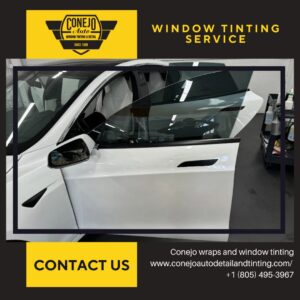
A thoughtful tint job enhances a car the way a well-chosen set of wheels or a subtle paint correction does. The right shade makes body lines pop without shouting for attention. On white and silver cars common around town, a neutral ceramic adds contrast that reads sophisticated. On darker vehicles, it creates a rich, uniform look that feels premium from every angle. When it comes time to sell or trade in, buyers notice interiors that have been protected from UV and heat; they also recognize glass work that looks professional.
For enthusiasts, consider how tint interacts with interior materials. Lighter leathers and colored stitching look truer under filtered light, and glossy screens throw fewer reflections. If you have a head-up display, your eyes will find the projected info more easily because the windshield area around it is no longer competing with harsh brightness elsewhere in the cabin.
Care and Everyday Use
Once installed, ownership is simple. Keep a small microfiber in the console for fingerprints, use a gentle cleaner when needed, and let the film cure fully before aggressive window motions. Over time, the best compliment you can give a tint job is forgetting it is there. The cabin just feels right—cooler, calmer, and consistent whether you are zipping down Daily Drive for errands or logging miles up to Ventura and back.
Frequently Asked Questions
How dark can I go and still stay legal in California?
California restricts darkness on front side windows while allowing more flexibility on rear doors and the back glass. A reputable installer will recommend a compliant, comfortable setup and explain how different shades look and perform.
Will tint affect my phone, toll tag, or GPS?
Ceramic films are non-metallic and should not interfere with electronics. This is one reason they are preferred for modern vehicles with connected features and multiple antennas integrated into the glass.
How long does a typical installation take?
Most cars can be completed in a few hours, depending on the number of windows and the complexity of the glass. Your installer will give you a realistic timeline and let you know when it is safe to roll windows down after installation.
Does tint help in cooler months too?
Yes. Even on cooler days, glare reduction and UV blocking make driving easier on your eyes and protect your interior. You also avoid the shock of a sunbaked seat or steering wheel when the midday sun breaks through after a foggy morning.
What is the best way to clean tinted glass?
Use an ammonia-free glass cleaner and a clean microfiber towel. Avoid razor blades or abrasive pads near the edges. Once cured, quality films are tough and easy to maintain.
If you are ready to turn Camarillo’s bright days into a more comfortable drive, book time with a trusted local team through a reliable window tinting service. Share how you use your vehicle, see film samples on your actual glass, and choose an installation that looks refined from day one and stays that way for years.