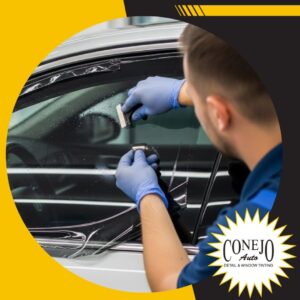
On a bright afternoon in Camarillo, you can feel how fast the sun warms a parked car or a west-facing living room. Quality film makes those spaces more comfortable, but the secret to keeping them that way is simple, steady care that suits our local climate. Whether you have just driven home from an appointment with a window tinting service or you are refreshing long-standing films on your home’s glass, a few thoughtful habits will keep everything looking clear, performing well, and aging gracefully in Ventura County’s blend of coastal breeze and inland brightness.
The first days: curing with Camarillo’s weather
Right after installation, film needs time to bond and for moisture to evaporate. In Camarillo, we often wake to a cool marine layer that lifts by midday. That pattern actually helps curing along: cooler mornings prevent rapid drying that can trap pockets, and warm afternoons encourage moisture to dissipate. During this window, avoid rolling down vehicle windows for several days, and expect a faint haze or tiny water pockets to be visible under certain light. They are normal and fade as the film settles. In homes and offices, resist the urge to squeegee or wipe the glass for a week; let the material do its quiet work.
Park savvy helps too. If you can, give your freshly tinted car some afternoon sun. A few hours in a driveway that catches light off Las Posas or Ponderosa accelerates the process. Indoors, sunlight through the glass is enough—no need to blast heat. Just let the space go through a couple of day-night cycles, and clarity will “snap in.”
Cleaning: gentle and consistent
Once cured, films are low maintenance. The golden rule is gentle cleaning. Use ammonia-free glass cleaner and a soft microfiber towel. Ammonia can dry out films over time, and rough cloths can leave fine scratches. Spray your towel rather than the glass when possible to keep cleaner from wicking into edges, then wipe in smooth, overlapping passes. Finish with a second, dry microfiber to avoid streaks.
In cars, fingerprints around grab handles and smudges from kids’ hands tend to be the main culprits. Keep a small microfiber in your door pocket and do a quick wipe when the light is soft—early morning or evening—so you can see streaks clearly. For homes, a lightly damp cloth takes care of dust that drifts in when the afternoon breeze moves through open windows.
Protecting edges and seals
Edges are the most sensitive parts of any install. Early on, avoid pressing hard at the top of the glass or dragging sharp objects against the film. In vehicles, watch for seatbelt buckles snapping back against a tinted window—an easy way to nick a perfect edge. At home, be mindful when placing furniture near glass, and resist the urge to tuck blinds tight into the corners where edges live.
Weatherstripping can carry a little grit, especially after Santa Ana winds. If you notice light scratching over time, ask your installer to check the seals. Sometimes a simple cleaning or conditioning of the rubber reduces micro-abrasion as windows go up and down. Most people never see an issue, but a proactive approach pays off if your car lives outside under trees or near open fields.
For sliding doors and storefronts, routine track cleaning goes a long way. Vacuum out grit, wipe the tracks, and keep rollers moving smoothly. Reduced friction prevents edge scuffing and helps panes set gently against their seals.
Managing light and heat over seasons
Camarillo’s seasons are gentle compared to many places, but they still have a rhythm. In spring and early summer, coastal mornings can leave a thin sheen of moisture; do not worry if cured film looks faintly hazy in that moment—it clears as the glass warms. In late summer and during Santa Ana episodes, you may see dust collect faster on exterior panes; a quick wipe restores clarity and keeps the film’s heat-rejecting performance steady.
Inside vehicles, consider sunshades when you know you will park for long stretches in direct light. The film does the heavy lifting, but a shade helps reduce extreme hotspots on dashboards and screens, complementing the film’s protection. For homes, a combination of film and good window coverings gives you full control: blinds or drapes for nighttime privacy, film for the daylight hours when you want views and comfort together.
Dealing with smudges, adhesive, and tough spots
Most marks wipe away with the cleaner-and-microfiber routine, but occasionally you will find a stubborn spot—tree sap, a bit of adhesive from a temporary sticker, or residue from a child’s window cling. The trick is patience. Use a soft cloth with warm soapy water, loosen the residue, and lift it slowly. Avoid blades or abrasive pads. If you need more help, a citrus-based, film-safe adhesive remover used sparingly on your towel—not directly on the glass—can do the job. Follow with a basic glass cleaner to remove any leftover oils.
Protecting your investment with sensible habits
The best maintenance is preventative. In cars, coach kids to avoid shoe scuffs on rear windows and to place snack wrappers in the door pocket rather than pressing them against the glass. In homes, keep pets’ paws off sliding doors with a small floor mat that takes the first hit of dust and moisture. For storefronts, assign a quick, end-of-day wipe on doors and display windows during weeks when Santa Ana winds kick up.
Pay attention to how the film looks in different light. A brief inspection while the sun hits at a shallow angle can reveal smudges or early wear points you would not notice at noon. Addressing small issues early is the difference between film that looks pristine for years and panes that collect little scars over time.
When to call the installer
Even with great care, things happen. A lifted corner after an accidental scrape, a persistent haze that does not clear after a couple of weeks, or a scratch that bothers you when the sun hits just so—all are reasons to call. Reputable shops stand behind their work and the materials they use. They will help you distinguish between normal aging and something that merits a touch-up or replacement panel. Bring the car by on a bright day so they can evaluate in realistic light; for homes or offices, schedule a visit during the hours when the issue shows most clearly.
If you inherited film from a previous owner and it is showing its age—purple, bubbling, or peeling—it is worth having it removed professionally. Old adhesive can be stubborn, and modern materials will dramatically outperform what was available years ago. The upgrade is immediate: clearer views, better heat control, and a finish that complements your space.
Choosing products that fit our area
While maintenance is largely universal, material choice can make upkeep easier. Non-metallic, ceramic films resist color shift and maintain clarity over time. Spectrally selective films for homes preserve brightness, which means you are not constantly toggling blinds to find a comfortable balance. Work with a shop that lets you see samples in natural light; examine how fingerprints show, how quickly smudges wipe away, and how the tone interacts with your vehicle’s paint or your home’s interior palette.
Install quality is part of maintenance too, because what starts perfect is easier to keep that way. Tight edges, clean trims, and a dust-controlled application mean fewer places where dirt can collect and fewer weak spots that might lift later. A trusted professional window tinting service will talk through these details so that your long-term care is as simple as it should be.
Keeping the look you love
One of the pleasures of living here is the light itself—clear, warm, and generous. The goal of good film and good maintenance is not to deny that light but to shape it, so your daily life feels calmer and more comfortable. The payoff shows up in small ways: a steering wheel you can grasp without a flinch, a living room you love at 4 p.m., a storefront that feels welcoming from open to close.
With a few straightforward habits—gentle cleaning, edge awareness, and timely check-ins—you will preserve that fresh-from-the-shop look long after the install. And in a town where sunshine is practically a neighbor, that is a good neighbor to have working with you, not against you.
FAQ
Q: How soon can I clean my windows after tinting?
A: Wait about a week, or as your installer advises, to allow the film to cure fully. After that, clean with ammonia-free products and a soft microfiber towel.
Q: Is it normal to see a little haze after install?
A: Yes. Light haze and small water pockets are part of curing, especially with cool mornings. They disappear as the film settles over a week or two.
Q: What cleaner should I use?
A: Choose an ammonia-free glass cleaner or a simple mix of mild soap and water. The key is a soft microfiber cloth and gentle pressure.
Q: How do I avoid scratching the film?
A: Keep sharp objects away from edges, watch for seatbelt buckles snapping back, and avoid abrasive pads. Regular cleaning of weatherstripping and tracks helps prevent micro-scratches.
Q: When should I call for service?
A: If an edge lifts, if haze persists beyond two weeks, or if you notice damage that bothers you in daily light, reach out. A reputable shop will evaluate and advise on touch-ups or replacements.
If you are ready to keep your glass looking its best through every bright Camarillo afternoon, schedule a quick checkup or a fresh install. Talk with a local team about materials, care, and the simple routines that make all the difference—and see how a well-maintained window tinting service elevates your comfort for years to come.