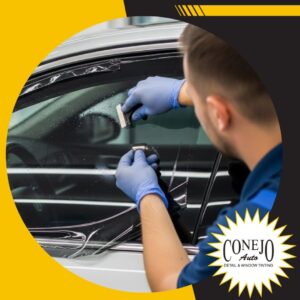
Window film is one of those upgrades that disappears into daily life when it is done right. In Camarillo, where sun, wind, and a touch of coastal air all meet, window tint brings real comfort for drivers and homeowners alike. Every so often, though, film shows quirks—bubbles that linger, edges that lift, or a hazy patch that refuses to clear. Understanding common issues and how to address them helps you enjoy every benefit with minimal hassle. With a good plan and a seasoned local installer, most problems are easy to prevent and even easier to fix. If you are considering your options or noticing something unfamiliar, a professional window tinting service will guide you with clear answers and hands-on support.
Moisture Pockets And Early Haze
Right after installation, especially in a climate with cool mornings and bright afternoons, it is normal to see moisture pockets or a soft haze. The marine layer that settles overnight can slow drying, and then the afternoon sun speeds it along. This back-and-forth often produces tiny blurs under the surface that vanish as curing completes. The best fix is patience. Avoid touching the film, keep vehicle windows up for the recommended time, and give residential panes a chance to reach full clarity before the first clean.
If haze persists beyond the expected curing period, reach out to your installer. They can assess whether what you see is residual moisture or a rare contamination spot that needs attention. Often, a quick visit and a trained eye provide reassurance that everything is on track.
Bubbles That Do Not Disappear
Not all bubbles are the same. Moisture bubbles fade as film dries. Contamination bubbles—caused by dust, lint, or debris trapped during application—do not. In Camarillo, field dust and breezy days can make prep work vital. Reputable installers take extra time with cleaning and controlled environments to minimize risk. If you spot a bubble that remains the same size or grows after a week of sunny days, document it with a photo and call your installer. Small areas can sometimes be resolved with a targeted rework. For larger contamination, a panel may be reinstalled. The point is to address it promptly while keeping stress low.
Edge Lifting And Peeling
Edges that lift are frustrating because they draw the eye. The causes can include improper prep, aggressive cleaning, or friction along the seals. In cars, watch for places where cargo brushes the glass or where children press toys against windows. At home, sliding doors see the most action and are the likeliest spots for edge wear. The fix usually involves careful trimming and re-adhering, or in some cases replacing a panel. Keeping seals clean and treating them gently helps prevent recurrence.
Color Shift And Purple Tinting
Older dye-based films can turn purple or brown with prolonged sun exposure. Camarillo’s generous sunshine accelerates that shift. Modern premium films are designed to resist color change, using stable, non-dye technologies. If you are driving a used car with older film, a fresh installation with a stable product is the best solution. Aside from appearance, advanced films also add better heat rejection and UV protection, dramatically upgrading your daily comfort.
Dot Matrix Challenges
Many vehicles have a ceramic frit or dot matrix pattern near the edges of the glass. Film can bond differently to these raised areas, creating a slightly lighter border. Experienced installers know techniques to improve adhesion and achieve the most uniform look possible. Over time, as the film fully settles, the transition usually becomes less noticeable. If it still draws attention, consult your installer; they can discuss options such as trimming strategies or light top-edge treatments where appropriate.
Scratches And Scuffs
Even with a scratch-resistant top coat, film can be marred by hard particles. On windy days when Santa Anas blow, a layer of fine grit can settle on glass. If you wipe aggressively without rinsing, that grit acts like sandpaper. The preventative step is simple: mist the surface, float off dust with a soft, clean microfiber, and then buff gently. In vehicles, watch out for metal buckles, pet claws, and aftermarket mounts. In homes, avoid abrasive pads and be careful when moving furniture near large windows.
Interference With Electronics
Older metallic films could interfere with signals, but modern ceramic and hybrid films avoid that issue. If you are troubleshooting weak GPS or mobile reception, it is more likely an unrelated cause than your tint. A quick test with your installer can rule out film as a factor and put your mind at ease.
Legal Limits And Safe Choices
California has specific guidelines regarding visible light transmission on different windows of a vehicle. A local expert will ensure your choice complies while still providing the look and performance you want. For homes, the conversation is about reflectivity, privacy, and neighborhood aesthetics. The best fix for legal or aesthetic concerns is prevention—choose film thoughtfully with a professional who understands local expectations.
When Repairs Or Replacements Make Sense
Most issues are covered by product and installation warranties. If a panel needs to be reinstalled, a careful removal avoids damaging defroster lines or embedded antennas. An experienced team will protect your glass and interior trim, whether it is the rear window of a sedan or a large slider in your living room. Replacement is also an opportunity to upgrade technology, moving from an older film to a new ceramic or spectrally selective option that performs better in Camarillo’s sun.
Working With A Trusted Local Installer
Prevention is simplest when you team up with a shop that respects preparation, environment, and aftercare. For automotive work, a controlled bay keeps dust at bay; for residential, clean prep and careful masking produce clean edges and a spotless finish. When you have questions, a quick call to the same team that provided your window tinting service empowers you with clear next steps, whether it is simply waiting another day for moisture to evaporate or scheduling a quick touch-up.
Frequently Asked Questions
Question: How long should I wait before judging the final result?
Answer: Give film the full curing period recommended by your installer. In Camarillo’s climate, a few sunny days are often enough for automotive, while residential panes may take a bit longer to reach perfect clarity.
Question: Are small bubbles normal after a week?
Answer: Small moisture pockets can persist for several days, especially with cool mornings. If they have not diminished after a week of bright afternoons, call your installer to evaluate whether they are moisture or contamination.
Question: Can I fix edge lifting myself?
Answer: It is best to avoid DIY fixes. Pressing or applying adhesives can worsen the problem. Contact your installer for a professional assessment and a clean, lasting repair.
Question: Why is there a lighter band near the frit or dot matrix?
Answer: The raised texture affects adhesion and light transmission. Skilled installation minimizes the effect, and it often becomes less noticeable as the film settles. If it remains distracting, discuss options with your installer.
Question: Will tint harm my defroster lines?
Answer: Not when installed or removed by professionals. They use techniques and tools that protect defroster elements while achieving a smooth finish.
Question: What if my film changes color over time?
Answer: Color shift is common with older dye-based films. Modern premium films resist discoloration. If you see purple or brown hues, consider replacing with a stable, high-performance product.
Ready For Clear Views And Lasting Performance?
If you are spotting issues or simply want a second opinion, partner with a local expert who treats your glass with care. A short visit can resolve most concerns and elevate your comfort right away. Start by connecting with a trusted provider of window tinting service and enjoy every sunny day in Camarillo with confidence.