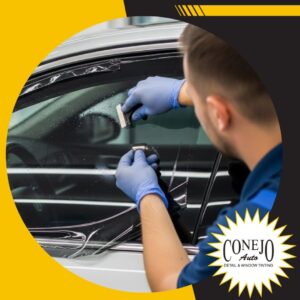
Ask anyone who has driven through a windy afternoon in Camarillo and they will tell you: dust gets everywhere. The same breezes that bring crisp sunsets can also carry grit, which is one reason the quality of your window tinting service matters so much here. Most installations go smoothly and deliver years of comfort, but a handful of issues pop up repeatedly when materials, technique, or environment are not quite right. Understanding them helps you avoid frustration and choose a shop that finishes the job to a factory-level standard.
Contamination: the speckle that catches your eye
Nothing spoils an otherwise clean install like a tiny speck trapped under the film. You may not notice it until the sun hits at just the right angle on your way down the 101. Camarillo’s breezes make dust control crucial, and good installers mitigate this by working in a clean, controlled environment, misting the air and surfaces, and carefully cleaning seals. The result should be glass that looks as if it rolled out of the factory that way—smooth, even, and free of nibs.
At home or in a storefront, the same principle applies. Shops take extra steps when the building is close to landscaping or open lots where grit is common. The best teams schedule installs strategically and use protective coverings to keep debris out during application.
Bubbles, hazing, and curing confusion
It is normal for fresh film to show a mild haze or tiny water pockets during cure. In Camarillo’s climate, that haze typically clears in a week or two. What is not normal are stubborn, irregular bubbles that persist or grow. Those can indicate trapped contamination or poor squeegee technique. An experienced installer knows the difference and will explain what you can expect to disappear versus what needs attention.
Because our mornings can be cool and damp before the sun warms everything up, installers often plan cure time accordingly. They will advise you to avoid rolling windows down for several days, park in the sun if possible, and clean gently with an ammonia-free solution after the film has fully set.
Edge lifting and fingers
Edge “fingers”—those pesky little lift points near the top or corners—usually trace back to either an imperfect prep of the glass edge or old, stubborn seals. Camarillo drivers who use their windows frequently during the early cure period can also encourage edges to lift. Good shops anticipate the risk areas, use precise trimming, and dry-out techniques along the borders so edges lay down and stay down.
In homes, edge issues often stem from exposure to moisture near kitchens or baths or from frequent contact in high-traffic areas. Installers counter this by choosing appropriate films, sealing edges when necessary, and advising on realistic care in those zones.
Purple fade and color shift
Most people have seen poorly made film turn purple over time. That problem is largely solved by modern, color-stable materials like ceramic or advanced carbon films. If you still encounter fading or color shift, it is often due to lower-grade dyed films or extreme sun exposure without UV-stable construction. In sunny places like Camarillo, where we enjoy bright afternoons almost year-round, choosing reputable film lines is the easiest prevention.
Dot matrix bands and rear defrosters
Dot matrix patterns around windshields and rear windows can sometimes cause a “silvered” edge where film does not settle flush into the texture. Skilled installers know how to float and set film over those dots to reduce the halo effect. On rear glass with defroster lines, care is everything. The right combination of heat, pressure, and technique ensures clean alignment without damaging the lines, so your defroster remains fully functional when cool mornings arrive.
Signal interference myths
Modern non-metallic films are friendly to antennas, keyless entry, and telematics systems. Interference concerns mostly belong to older metallic films. If you still hear these worries, clarify the material type. Today’s ceramics deliver top-tier performance without compromising connectivity, which matters when you rely on navigation, streaming, and driver-assistance features from Lewis Road to Las Posas.
Legal shade missteps
California has clear rules about visible light transmission, especially for front side windows. Going too dark can lead to unwanted attention. The smarter approach is a legal, lighter front paired with a slightly darker rear for privacy and cohesion. An experienced local shop explains these boundaries and helps you land on a combination that looks polished and performs well while staying within the lines.
Installation shortcuts you will notice later
Rushed prep, inconsistent squeegee pressure, and sloppy trimming reveal themselves over time—usually as edges that catch lint, corners that lift, or stray cut marks near weatherstripping. You can spot quality by the details: clean, even edges; no stray cuts on glass or rubber; a uniform, bonded look the day you pick up your car and an even better look a week later when the film has fully settled.
In buildings, shortcuts often show up as slight waviness, visible seams, or dust nibs that sit just at eye level when the afternoon sun pours through. A shop that stages the space carefully, manages airflow, and works methodically will deliver results that look like part of the architecture—clear, consistent, and refined.
Aftercare misunderstandings
Many issues begin after a great install when care instructions are forgotten. Rolling down windows too soon, cleaning with ammonia-based products, or using rough towels can mar a perfect finish. It is why good installers provide simple, written aftercare: wait several days before operating windows; clean with ammonia-free products and a soft microfiber; avoid scraping tools on the glass; and expect mild haze to fade as the film cures.
Homes and offices benefit from the same gentle approach. A regular dusting and occasional wipe-down with a soft cloth keep films looking invisible while they continue to block UV and temper heat.
Choosing the right partner in Camarillo
Most of the common issues are solved before installation even begins: by picking durable, color-stable materials and working with a shop that treats prep and environment as seriously as the film itself. Look for technicians who invite you to see samples outside in natural light, who explain legal guidelines, and who talk candidly about what the first few days of curing will look like. That candor signals experience and pride in the result you will see weeks and months down the line.
If you ever have concerns after an install, a conscientious team will assess the situation with you, differentiate between normal curing and true defects, and make things right when necessary. That post-install support is part of the value you get when you choose a reputable window tinting service rather than a quick, mobile-only solution.
FAQ
Q: How long should I wait before rolling my windows down?
A: Typically several days to a week, depending on weather. Your installer will provide guidance based on the film used and the day’s conditions.
Q: Is a little haze normal after installation?
A: Yes. Light haze and small water pockets are part of the curing process and usually clear within a week or two, especially after some warm afternoons.
Q: Can bubbles be fixed without replacing the film?
A: It depends on the cause. Tiny moisture pockets disappear as the film cures; contamination bubbles or large, persistent pockets often require rework to correct.
Q: Will tint hurt my rear defroster?
A: Properly installed film should not affect defroster lines. Experienced installers use techniques that protect and preserve those elements.
Q: What is the best way to clean tinted windows?
A: Use ammonia-free glass cleaner and a soft microfiber towel. Avoid abrasive pads or razor blades that can scratch or lift the film.
When you are ready for a clean, durable, and compliant result, choose a team that controls the details from prep to aftercare. A trusted Camarillo window tinting service will deliver glass that looks factory-fresh on day one and only gets better as it cures.