How to Choose the Best Window Tinting Service in Camarillo
Selecting a window tinting partner is about more than film and shade charts. It is a decision that touches daily comfort, long-term durability, and the way your car, home, or office looks and feels. In Camarillo, where sunshine is a defining feature of our days, a thoughtful choice pays dividends from the first afternoon you drive or sit near a sunlit window. The right window tinting service will listen carefully, recommend selectively, and install meticulously so you enjoy results that feel tailored, not generic.
Great tinting is part science, part craftsmanship, and part service mindset. Materials matter, but so does the process of understanding how you live and work. Someone who asks about your commute, your favorite rooms, or the orientation of your office is already on the path to getting it right. In a town like ours, where coastal haze in the morning can give way to bright, dry afternoons, local experience also counts—our light is not quite like anywhere else, and the best installers know how films behave here across seasons.
Start with Clarity: Your Goals and Your Light
Before you compare film specifications, start with a simple inventory of your needs. For vehicles, is the primary goal heat rejection, glare control, privacy for kids in the back, or a specific aesthetic? For homes, which rooms overheat or suffer from glare at particular times of day? For offices, where do screens pick up reflections, and which conference rooms are hard to use after lunch? Naming these realities gives your installer a clear target.
Next, consider how you want the finished product to look. Many people are surprised by how natural modern films can be. If you are concerned about a mirrored effect or overly dark appearance, ask to see spectrally selective or ceramic samples on glass. Light transmission can be high and still deliver meaningful infrared rejection. A disciplined installer will help you separate appearance from performance so you get both right.
Sun patterns matter. In Camarillo, west-facing glass gets intense afternoon energy. The light has a warm quality that is gorgeous for photos and tough on interiors. South-facing glass gets steady sunshine throughout the day. North-facing windows see less direct sun but still benefit from UV protection to limit fading. A good plan accounts for these differences using films that maintain a cohesive exterior look while optimizing comfort inside.
Evaluating Materials: Ceramic, Spectrally Selective, and More
Material selection is a moment to ask detailed questions. Ceramic films are prized for infrared rejection, color stability, and radio-friendly construction. Spectrally selective films target specific wavelengths to manage heat without sacrificing visible light. Dyed films can address glare affordably but often lack long-term stability. Metalized films reflect heat effectively but may change exterior aesthetics and can interfere with electronics. Understanding these tradeoffs helps you match film to your use case.
Optical clarity is key, especially on windshields or view-centric residential windows. High-quality films maintain a crisp, undistorted view even in bright conditions. Color neutrality matters, too. You want whites to stay white and skin tones to look natural, not skewed warm or cool by the film. Ask to see film samples on actual glass in sunlight rather than relying solely on spec sheets under showroom lighting.
Durability shows up years later. The best films resist discoloration, bubbling, and adhesive haze. They clean easily with soft cloths and non-ammonia cleaners. If you are investing in a premium solution, ensure that the film you choose has a proven track record in climates similar to ours.
Craftsmanship: Where Installations Succeed or Fail
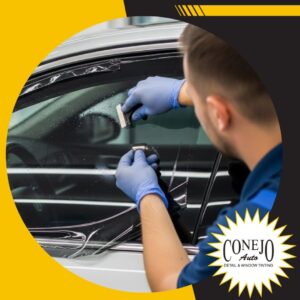
Even the most advanced film cannot overcome a rushed or careless installation. Edges should be tight and even, corners clean, and gaps minimal. On vehicles, door seals and window sweeps must be protected, and rear glass with deep curves often requires careful heat shaping. On homes and offices, dust control is paramount; a clean, staged workspace and patient technique prevent contamination beneath the film.
Ask potential installers about their process. Do they computer-cut patterns for vehicles and still hand-trim where necessary for a perfect fit? Do they protect interior finishes in homes, using drop cloths and edge shields? Are they comfortable working around tempered, laminated, or low-E glass? Their answers reveal whether they treat your property with the care it deserves.
Communication is another sign of quality. You should know what to expect on install day, how long each area will take, and what curing looks like in the first week. Great installers set expectations clearly and follow up to ensure satisfaction.
Local Expertise and Legal Compliance
California has clear guidelines for automotive window tinting, and a professional in Camarillo will help you achieve a compliant setup that still delivers real heat and glare control. For homes, film selection must also consider window construction to avoid thermal stress on certain panes. For offices, understanding how film interacts with existing glazing systems and building management objectives keeps you on the right side of codes and warranties.
Local knowledge enhances results in subtle ways. Morning fog, afternoon winds, and the unique arc of our sun influence both installation timing and film performance. An installer who has worked through these conditions will recommend shades and materials that look great in our light all day, not just under showroom lamps.
References matter. Look for a portfolio of local projects—vehicles you recognize on the roads around Pleasant Valley Road, homes in Mission Oaks, offices near the Promenade. Seeing work in the wild builds confidence that you will get the finish you expect.
Comparing Proposals the Smart Way
When you receive proposals, compare more than price. Look at the specific films quoted, their visible light transmission, infrared rejection, and expected reflectivity. Note whether safety or security films are suggested for vulnerable areas. Pay attention to installation details: dust control, edge finishing, and protections for adjacent surfaces. Also, review how aftercare is explained and what support is provided if you notice curing haze or a small bubble during the first week.
It can be helpful to ask for a small test pane in a critical area. Live with it for a few days at different times to see how it behaves in your light. In kitchens, observe it during late afternoon cooking; in offices, check screen readability at midday; in cars, assess night visibility along familiar routes. This practical approach reduces guesswork and leads to happier outcomes.
Remember that film is a long-term improvement. The right match should continue to feel right years later, not just the day it is installed. That is why an experienced, service-forward installer is worth seeking out.
Aftercare and Everyday Enjoyment
Once the film is installed, care is simple. Give it time to cure, especially during cool mornings or damp days when moisture evaporates more slowly. Clean with soft microfibers and ammonia-free glass cleaner. Avoid abrasive tools. On vehicles, wait the recommended period before rolling windows down. On homes and offices, enjoy the luxury of leaving shades open more often without feeling the sun’s bite.
Over time, you may stop thinking about the tint altogether—that is the best sign of success. You simply notice that morning coffee spot is comfortable again, that afternoon glare no longer derails a meeting, or that your evening drive down the 101 is calmer. Those quiet improvements add up to a better daily experience.
Midway through your decision-making, it often helps to bring in a professional for a quick walkthrough or vehicle assessment. A conversation with a reputable local window tinting service can clarify options in minutes, saving you from overthinking spec sheets and ensuring you choose a film and shade that truly match your life in Camarillo.
Frequently Asked Questions
Q: How do I know which film type I need? A: Start with your goals—heat, glare, privacy, or UV protection—and the spaces where you need them. A professional will translate those goals into a specific film and shade that work in our local light.
Q: Will tint make my windows look mirrored? A: Modern ceramic and spectrally selective films are designed to be low-reflective with a neutral appearance. You can maintain a natural look while still getting strong performance.
Q: How soon will I see the benefits? A: Immediately. You will feel cooler cabins, calmer rooms, and reduced glare the moment the sun hits the glass. Any initial haze from curing clears over the first days.
Q: Can film be removed later? A: Yes. Professional removal returns glass to its original state. This reversibility is helpful if your needs change or you update design choices.
Q: Does film affect electronics? A: Ceramic films are non-metallic and do not interfere with GPS, phone signals, or vehicle systems.
Q: What about warranty and longevity? A: Reputable films and installers stand behind their work with clear documentation. Properly cared for, premium films perform for many years while maintaining clarity and color stability.
Q: Is a windshield film worth considering? A: For drivers, a clear, heat-rejecting windshield film can significantly reduce infrared heat and glare without changing the appearance, making commutes more comfortable and safer at night.
Q: How do I prepare for installation day? A: Clear access to windows, remove fragile items near work areas, and plan for recommended curing time before cleaning or, for vehicles, rolling down windows.
If you are ready to make an informed, confident choice, start with a brief consultation and some real-world samples in your own light. Partner with a meticulous, locally experienced window tinting service, and enjoy the everyday comfort, clarity, and style that come from getting this decision right the first time.