Step into a parked car in Camarillo on a bright afternoon and you can feel the heat rise around you before the engine even turns over. Our valley enjoys generous sunshine most of the year, which we love on the patio and at the parks, but it makes vehicle interiors a challenging environment. That is where ceramic window tinting proves its worth. Built on advanced materials that target the parts of sunlight responsible for heat, ceramic films cool your cabin without sacrificing clarity or style. For drivers who split their time between Arneill Road, the 101 corridor, and weekend runs to the coast, a trusted window tinting service can transform daily comfort with a solution that feels immediate the moment you sit down.
Unlike older dyed films that emphasize darkness over performance, ceramic films use nano-scale particles to block a high percentage of infrared radiation—the part of the spectrum that turns a car into a greenhouse. You can choose a shade that suits your look and still enjoy significant heat relief. That means you do not have to drive a dim cave to stay cool; you can keep the outside world crisp while filtering heat at the wavelengths that matter most. On a practical level, this translates to quicker cooldowns, less AC strain, and a calmer commute, whether you are leaving a game at Bob Kildee Community Park or pulling out of a shaded spot near Old Town just as the sun breaks through.
What Makes Ceramic Films Different?
The science sits at the heart of the experience. Ceramic films are manufactured with non-metallic nanoparticles that interact with infrared energy, absorbing and reflecting it before it passes through the glass. Because the film contains no metal, it avoids the signal interference issues sometimes associated with metallic tints. Your smartphone, GPS, and toll transponder continue to operate normally, which matters when your route takes you across the Conejo Grade or along the Ventura stretch where reception can already vary with terrain.
Optical clarity is another hallmark. High-end ceramics are engineered for low haze and neutral color, preserving the look of your vehicle’s glass while cutting the glare that tires your eyes late in the day. Camarillo’s coastal light can shift quickly, and a film that stays consistent across conditions means your eyes are not constantly adapting to strange color casts. Road lines, cyclists, and far-off brake lights remain sharp, so comfort and safety work together instead of trading off.
Heat Relief You Can Feel
Talk to any Camarillo driver who has made the switch and you will hear a similar story: the cabin feels calmer. Park for half an hour by the playing fields, return, and the seats no longer sting. Start up on a hot day and the air conditioner does not need to battle for long minutes to reclaim the interior. That relief comes from reducing surface temperatures inside the car, not just air temperature. Dashboards, steering wheels, and seatbacks soak up less energy, so heat does not radiate back at you once you start driving. Over time, that gentler thermal cycle benefits materials too, helping interiors age more gracefully under our bright skies.
Infrared rejection ratings tell part of the story, but the proof is tactile. Even in lighter shades preferred for legal visibility on front side windows, ceramics fight heat effectively. On rear glass, you can opt for a slightly deeper shade that increases passenger comfort while harmonizing with the car’s lines. When night falls and the marine layer drifts in, optical performance remains steady, with streetlights and reflective signage reading cleanly. That balance is what Camarillo drivers appreciate: comfort does not come at the cost of clarity.
UV Protection and Interior Preservation
UV-A and UV-B are the quiet culprits behind faded upholstery, cracking dash materials, and the subtle bleaching of fabric across seat bolsters. Ceramic films are formulated to block the vast majority of UV exposure, protecting interior finishes and your skin during longer drives. Think of the hours spent idling in pickup lines around Mission Oaks or the sun streaming through the driver’s side window on westbound afternoons. With film in place, the cumulative reduction in UV adds up to materials that keep their color and suppleness longer, and to trips that leave you feeling less drained by exposure.
For vehicles with leather interiors, the difference can be especially striking, as leather is sensitive to both heat and UV. Over seasons, heat-cycled leather dries out and develops fine cracks that age a car prematurely. Pairing film with normal care—cleaning and conditioning—helps preserve that factory feel. Cloth interiors benefit as well, with reduced fading visible when you compare areas that receive direct sun with those that do not. Protection is not flashy; it is the slow, steady defense that keeps a car feeling new.
Legal Considerations in California
California’s regulations favor safety and visibility, so installers guide you toward combinations that respect the law while maximizing comfort. Front side windows typically remain in lighter shades or utilize high-performance, nearly clear ceramics that still do meaningful work against infrared and UV. The windshield is limited to a narrow visor strip to tame overhead glare. Rear glass and back windows allow more flexibility, so families often choose a deeper shade there for kids and pets. A local professional will know the nuances and help you plan a setup that looks cohesive and passes a roadside glance without worry.
Because Camarillo enjoys occasional fog and early marine layers, it is worth discussing how different shades feel in low light. Many drivers find that a moderate ceramic on the fronts paired with a deeper rear creates a pleasant gradient that looks intentional and preserves excellent nighttime visibility. Before committing, step outside with sample boards or view a car in the lot with your preferred film. Seeing real light move across glass tells you more than specs ever will.
Installation Craft: What to Expect
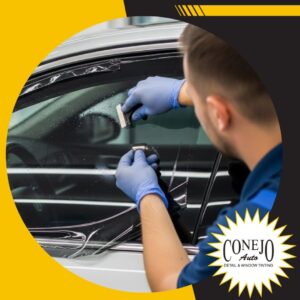
A clean, controlled installation space is half the battle in getting results that look like they came from the factory. Technicians begin with meticulous glass preparation, flushing debris from seals and corners so the adhesive bonds to a pristine surface. Pattern cutting is then customized to your window shapes, and the film is heat-shaped to contour to complex curves on back glass. The squeegee work that follows is both art and science, pushing out moisture and aligning edges into narrow, uniform margins that sit neatly under weatherstripping. The car rests while the film begins to set, and you leave with instructions for the brief curing period.
In Camarillo’s mild conditions, curing proceeds smoothly, though cool mornings can prolong faint haziness that you might notice at first. That appearance fades as moisture evaporates. If you have ever seen tint bubble or purple on an older vehicle, you are likely looking at outdated materials or poor prep. Modern ceramic films are color-stable, and when applied to spotless glass in a clean environment, they settle into a finish that stays sleek for years.
Living With Ceramic Tint
Care is straightforward. Use non-ammonia cleaners and soft microfiber cloths to keep windows streak-free without harming protective layers. Avoid rolling windows down for the first few days to protect the edges while the adhesive finishes bonding. After that, the film becomes an invisible part of your routine until you drive an untinted car again and realize just how much it had been doing for you. In Camarillo’s climate, where extreme heat is less punishing than inland valleys but bright sun is a constant, ceramics tend to deliver long service life.
The comfort benefits show up in less obvious ways too. Eye strain diminishes on those late afternoon drives when sun reflects off roofs near the Camarillo Premium Outlets. Conversations feel more relaxed because cabin temperature swings are milder. On family trips down the 101 toward Ventura, kids in the back settle in faster without the sun beating straight through the glass. Little by little, you start to consider the film part of how your car was meant to be.
Why Local Knowledge Matters
Choosing to work with a local team means the person advising you knows our streets and our light. They have seen how a certain shade reads on a vehicle parked under trees on Daily Drive versus one parked in an open driveway near Village at the Park. They can tell you honestly how a ceramic that looks subtle indoors will behave when the sky turns that bright Camarillo blue at noon. That context helps you select a film that suits your specific driving life rather than a generic average.
It is also reassuring to know that if you ever have a question, you can drive a few minutes and show someone in person. A knowledgeable shop stands behind its work, invites follow-up, and treats your questions as part of the service. That relationship matters long after the installer peels the last liner away.
Somewhere in the middle of your research, you may realize that ceramic films sketch a different value equation than you expected. Instead of paying for darkness, you are investing in performance. Instead of accepting compromises, you are stacking benefits: heat relief, UV defense, glare reduction, signal friendliness, and clean aesthetics. That is why so many drivers in our city choose to upgrade and never look back. If you want proof, ask to sit in a vehicle in the lot with and without ceramic; your skin and eyes will tell you what the numbers already suggested. When you are ready, speak with a trusted window tinting service and plan a setup that fits your car and your days.
Does Ceramic Tint Make the Car Too Dark?
Not unless you choose a dark shade. Ceramic refers to the film’s technology, not its darkness. You can select a light or medium ceramic that looks nearly stock while still cutting a significant share of heat and UV. Many Camarillo drivers prefer that subtle look on the front windows and reserve deeper shades for the rear to create a cohesive, legal setup.
Will Ceramic Tint Interfere With My Electronics?
No. Ceramic films are non-metallic and designed to avoid interference with signals for smartphones, GPS, and toll tags. If you rely on specific devices, you can test them in a car fitted with the film to confirm performance before installation. Signal clarity is one of the reasons ceramics are favored in today’s connected vehicles.
How Long Does Installation Take and How Soon Can I Roll Down Windows?
Most vehicles are completed in a few hours, though larger vehicles or complex back glass can take longer. Installers will advise you to keep windows up for a short curing period—usually a couple of days—so edges bond firmly. During that time, a faint haze is normal and fades as moisture evaporates.
Does Ceramic Tint Help in Cooler Months?
Yes. Even on cooler days, our sun carries plenty of infrared energy. By rejecting it, ceramic film keeps surfaces inside the car from absorbing heat, so you feel less radiant warmth on your skin and the cabin stays more even. In the mornings when marine layers burn off quickly, ceramics keep the interior balanced as conditions shift.
How Do I Care for Ceramic Film Long-Term?
Use soft microfiber cloths and non-ammonia cleaners. Avoid abrasive tools that could scratch the protective coating. With basic care and Camarillo’s relatively gentle climate, ceramic films deliver long, consistent performance, preserving clarity and color stability for years.
What If My Vehicle Already Has Old Tint?
Professionals can safely remove old film using heat and steam, taking care not to damage rear defroster lines or leave adhesive behind. Once the glass is clean, the new ceramic film goes on to a pristine surface, which is the best path to a flawless finish and long-term durability.
When your goal is a cooler, calmer drive under Camarillo’s bright skies, ceramic film is a smart, modern answer. Start a conversation with a local expert, explore shades in real light, and imagine stepping into a car that simply feels right every time the sun comes up over the hills. The right window tinting service will match technology to your needs and deliver an installation that looks as natural as it feels.