There is a moment, usually right as you turn off Daily Drive toward the 101, when the afternoon sun angles perfectly to wash the dashboard and windshield with glare. It is the kind of light Camarillo drivers know well—bright, crisp, and unforgiving if your windows are bare. Ceramic car window tinting steps into that scene like a quiet upgrade, making colors cleaner, glare gentler, and cabin heat more manageable without darkening your view into a murky gray. If you have been thinking about an expert window tinting service for your vehicle, the ceramic route is an ideal balance of technology and aesthetics tailored to our local roads and weather.
What sets ceramic film apart is how it works with the spectrum of light. Rather than relying on dyes that can fade or metallic layers that may interfere with signals, ceramic films target infrared heat—the part of sunlight you feel as a slow, building warmth. By reducing IR transmission while maintaining visible light clarity, ceramic tint keeps your cabin quieter thermally without the hazy look that once defined heavy tints. On a mid-July afternoon in Camarillo, that difference is tangible when you open the door after a stop at Old Town and your steering wheel is cooler, your seats less toasty, and your AC has a head start.
Clarity that endures, day and night
One of the reasons local drivers favor ceramic films is their optical neutrality. The color stays true, and details appear crisp, which matters when you’re navigating shaded on-ramps near Camarillo Springs or watching for cyclists along Las Posas. At night, ceramic films preserve contrast, so headlights, road markings, and pedestrians remain visible without that muddying effect some older tints created. It is a refinement you appreciate on longer drives, when eye fatigue often comes from micro-glare and scattered light rather than outright darkness.
Signal-friendliness is another practical advantage. Modern vehicles blend navigation antennas, toll transponders, and connectivity modules into the glass and bodywork. Ceramic films, being non-metallic, play nicely with those systems. Whether you stream podcasts during your commute or rely on onboard navigation to outmaneuver traffic near Pleasant Valley Road, your signals will remain steady. That seamlessness is also helpful if you carpool and switch devices among passengers; the cabin remains a connected, comfortable place rather than a technological cul-de-sac.
Choosing shades that fit Camarillo life
Shade selection is a conversation, not a number dictation. You might prefer a subtle, factory-like look that takes the edge off glare while appearing nearly stock. Or you may want a deeper shade that enhances privacy for back seats, especially if you regularly carry kids, gear, or work equipment. In California, front side windows must stay within specific visibility thresholds to remain legal, but there is creativity within those bounds. A knowledgeable installer will help you pair a compliant front with a slightly darker rear, creating a cohesive look that feels tailored rather than assembled from mismatched pieces.
Our local roads inform those choices. Commuters on the 101 appreciate the way ceramic films reduce the shimmering heat haze that rolls off surrounding traffic. Drivers who frequent the grade toward Thousand Oaks or the open stretches toward Ventura notice how the cabin holds its cool more consistently, so the AC does not need to surge and fade in cycles. Even quick runs across town to pick up dinner feel more pleasant, the kind of everyday improvement that, once you have it, you do not want to drive without.
Installation quality makes all the difference
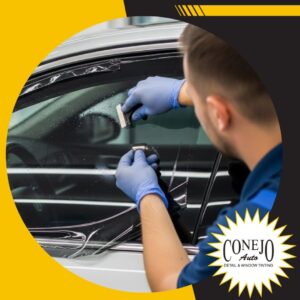
Ceramic films are only as good as their installation. Precision cutting to fit tight seals and modern sensor clusters keeps the look clean, and thorough prep makes the film lay down like original equipment. In Camarillo, dust control is a real consideration thanks to our breezes and agricultural surroundings. A professional shop uses controlled environments, proper lighting, and careful technique to eliminate debris that would otherwise show as specks or cause long-term adhesion issues. The goal is a finish you barely notice because it complements your car’s design rather than advertising itself with flaws.
Good installation also considers the details drivers often worry about: defroster lines, third brake lights, dot-matrix areas, and frameless door glass. Handling each of these with intention ensures the film bonds properly, edge lines are consistent, and visibility stays crisp in every condition. On the road, that means fewer distractions and more confidence whether you are steering into the late-afternoon sun or descending a foggy morning into the Oxnard Plain.
Everyday life with ceramic tint
Once the film is on, the difference is steady and subtle. Morning drives begin without that cold-shock of light reflecting off the hood when the marine layer starts to break. Midday errands do not cook your seats. Evening outings along Ventura Boulevard are calmer on your eyes as the last light fades and street lamps take over. Even sound seems to settle as the cabin feels less like a glass box and more like a well-composed space. Passengers comment that the interior feels richer, and the car photographs better without harsh reflections bouncing around the cabin.
The aesthetic upgrade is real but tasteful. Many drivers in Camarillo prefer improving their vehicles in ways that do not shout. Ceramic tint fits that preference. It polishes the look without turning it aggressive or out of place in a neighborhood like Mission Oaks or Las Posas Estates. The result is a car that blends into life here while feeling more considered and comfortable, the automotive equivalent of a well-tailored jacket that moves with you rather than restricting you.
Care in our climate
After installation, curing time depends on temperature and humidity. With our coastal influence, you might notice a day or two of slight haze as moisture evaporates through the film, especially when mornings begin cool and afternoons warm up quickly. It is normal and settles with patience. Avoid rolling down windows until your installer gives the green light, and clean with a soft microfiber and a gentle, ammonia-free glass cleaner once the film has set. Skip blades, abrasive pads, and harsh chemicals, especially along edges and around defroster lines, to keep the film pristine.
Long-term, ceramic films are stable. They resist fading and color shifting, maintaining their clarity and performance season after season. Drivers often report that years later the cabin still feels shielded from the worst afternoon glare and heat, and the car’s interior materials show less aging. It is the kind of benefit that documents itself quietly in the condition of your vehicle and in the way you feel at the end of a longer drive.
Legal clarity without compromise
Staying within California tint regulations is straightforward with a professional guiding the process. A trusted installer will explain the limits for front side windows and the windshield while helping you achieve a balanced look by darkening rear windows within acceptable ranges. The point is not to push the envelope until it risks attention, but to create a cohesive result that does what you want—reduce heat, cut glare, protect interiors—while staying practical for everyday driving in Camarillo and beyond.
For many drivers, the sweet spot is a ceramic film that looks almost transparent in the front and a deeper, privacy-boosting shade in the rear. That combination respects visibility and the letter of the law yet provides a major comfort upgrade. It also avoids the unsightly mismatch sometimes seen on vehicles with off-the-shelf solutions, because the color tone remains consistent even as the darkness varies.
Why choose a specialist
There is a craft to tinting that reveals itself in small ways: how corners are finished, how the film wraps near edges, how the rear glass is handled in one piece. Specialists invest in tools and training that raise the baseline, from plotters that cut to the exact contours of your model to clean-room protocols that keep dust at bay. In Camarillo, where climate and lifestyle create unique challenges and preferences, a specialist translates your needs into a solution that feels custom-fit. That attention shows up every time the light changes on your drive, because the glass behaves like part of the car rather than an aftermarket add-on.
Choosing a professional window tinting service also means having a resource long after you drive away. Questions about cleaning, adding a sunroof panel later, or adjusting the rear shade for a new baby seat are easy to answer when you have an expert who knows your vehicle and the films used. That relationship is part of what makes the experience feel trustworthy and complete.
Frequently Asked Questions
How long does ceramic tint last on a car?
High-quality ceramic films are built for the long haul and maintain performance and clarity for many years when installed properly and cared for with gentle cleaning. In Camarillo’s mix of marine influence and inland heat, that durability shines because the film resists fading, hazing, and color shift even as the seasons turn.
Will ceramic tint make night driving harder?
When selected thoughtfully, ceramic films preserve night visibility better than many older, heavily dyed options. You will still appreciate glare reduction from headlights, but road markings and pedestrians remain crisp. If you are sensitive to darkness, your installer can help choose a lighter shade that still rejects heat thanks to the technology’s infrared performance.
Does ceramic tint interfere with phone reception or GPS?
No. Ceramic films are non-metallic and designed to be signal-friendly. They will not create the interference sometimes associated with metallic tints, so navigation, calls, and streaming remain reliable on your drives across Camarillo and beyond.
What is the curing process like?
After installation, you may see a slight haze or tiny moisture pockets as the film sets, especially when mornings are cool and afternoons warm quickly. This is normal and clears with time. Follow the shop’s guidance on rolling windows down and cleaning, and avoid pressing or scraping the film until curing is complete.
How do I pick the right shade for my car?
Shade selection starts with how you use your vehicle and your priorities—comfort, privacy, aesthetics, and legal compliance. A local specialist will show real samples in natural light and explain how different options look and behave in Camarillo’s conditions, then help you build a front-to-rear combination that feels cohesive.
Can ceramic tint protect my interior?
Yes. By filtering UV and reducing infrared heat, ceramic films help slow fading and cracking in seats, dashboards, and trims. Over time, your cabin maintains a fresh, even look, which many owners notice most when they compare their vehicle to similar models without tint.
Is ceramic tint removable?
Professional removal returns glass to clean condition without damage. If your needs change—selling the car, changing shade preferences, or replacing damaged glass—a trusted shop can remove and replace film with care.
Call to Action
Ready to transform your daily drive with cooler cabins, clearer views, and a refined look that suits Camarillo life? Schedule with a trusted specialist today and enjoy the confidence that comes from expert guidance and meticulous installation. Book your appointment with a professional window tinting service and feel the ceramic difference the moment you turn onto the 101.