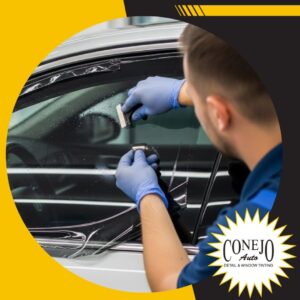
Spend a week driving around Camarillo and you will see the whole spectrum of window tint quality. There are flawless installs that look like factory glass and there are films showing their age with bubbles, purple fade, and peeling corners. Our mix of salt-laced breezes, bright sun, and dusty afternoons puts film to the test, which is why understanding common tinting issues is so useful before you choose a shop or plan a refresh. Think of this as the local’s guide to how tint behaves on Camarillo roads, why some jobs fail early, and how to steer toward results that hold up from the Oxnard Plain to the Grade and back again. If you have been comparing options from Ventura to the Conejo Valley, you have probably heard of seasoned providers of auto tinting in Thousand Oaks, and much of what sets good work apart is precisely how they avoid the pitfalls we are about to cover.
When Bubbles Appear and What They Mean
Bubbles are the universal sign that something went wrong—either during installation or long after. In the first week, small, watery patches can be totally normal. That is moisture working its way out as the adhesive cures, and in Camarillo’s cool morning marine layer, that process can take a bit longer. But persistent, rounded bubbles that look like coins trapped under plastic usually point to contamination or weak adhesion. Dust, pollen, and microscopic grit are everywhere here, especially when afternoon winds pick up. If the prep stage does not remove that contamination and the workspace is not tightly controlled, you end up sealing specks under the film. They turn into bubbles, then into hot spots where film ages faster.
Long-term bubbling tells a different story. Heat cycles in our climate can be dramatic. Park at the Outlet and walk back to a car that baked for hours, then drive into cooler coastal air—those swings stress the film. Lower quality adhesives can let go, forming blisters that never settle. A properly matched, high-quality film with strong adhesives and careful edge work shrugs off those cycles and stays flat.
Peeling Edges and Tricky Corners
Edge failure is another common sight, often starting where the seatbelt hits the B-pillar or where a window guide brushes the film. If edges are cut too long and press against the seals, the film can bind and peel when you roll down the window. Cut too short and the exposed glass edge collects grime that catches your eye every time the sun hits it. In Camarillo, where we often have fine grit riding the breeze from fields, that grime builds quickly. Quality work gets the edge distance right and burnishes it so the adhesive bonds cleanly. Corners are heat-shaped to lie flat instead of forced into curves they cannot keep.
Rear windows with thick defroster lines and dot-matrix borders bring their own challenges. The dot matrix can act like a bumpy road for film, creating a slight halo effect if the installer does not know how to bridge the texture. The defroster lines, meanwhile, are easy to nick during removal of old film if tools are not used carefully. A clean, patient removal preserves those lines, and a careful install presses the film into the dot-matrix area without leaving an unsightly band.
Purple Fade and the Tale of Dyes
We have all seen it: tint that has gone from smoky gray to a tired purple. That is dye breakdown, and it is accelerated by the kind of UV exposure we get here. Older or cheaper films rely on basic dyes that simply cannot fight sunlight for long. The film keeps blocking some light, but the color shifts, and optics suffer. Modern ceramic films solve this by using color-stable dyes and nano-ceramic layers that focus performance on heat and UV rejection rather than just darkness. Even in lighter shades, they hold their color, especially when parked outdoors on clear Camarillo days.
There is another subtlety to color: uniformity. On vehicles with complex glass shapes, lower-tier films can stretch and thin during heat-shrinking. That creates slight color variations that become obvious in afternoon sun. Better films and practiced technique avoid those thinning patterns, keeping your windows consistent from top to bottom.
Contamination: The Camarillo Variable
Dust is a fact of life in a community bordered by agriculture. The same soft layer of grit you wipe from your patio furniture finds its way into door sills and window channels. If installers rush prep or skip deep cleaning inside the seals, those micro-particles ride up with the first roll-down after installation and etch faint abrasions into fresh film. The result can be vertical scratch lines near the front edge of side windows, visible only when the sun catches them. The solution is a meticulous prep routine and the discipline to recommend a longer cure time before cycling windows in our coastal conditions. That patience pays off with clean, durable edges.
Marine air adds another curveball: salt. It is not as heavy here as right on the coast, but it is present, and salt crystals can sit on glass surfaces and in channels. When trapped under film, they become tiny pressure points that grow into visible flaws. Again, the fix is thorough decontamination and careful handling during the critical moments when film meets glass.
Metallic Interference and Modern Cars
Metalized tints were a go-to years ago for heat rejection, but they can interfere with keyless entry, GPS, and even AM/FM reception. That is especially frustrating when you are trying to navigate between Ventura and Camarillo and the signal stutters right when you need it. Ceramic films avoid this entirely. If you are having interference issues right now, it may be worth replacing the film with a ceramic option, which will also address heat and UV without creating a new headache. Many locals learned this lesson the hard way, then found relief by switching to premium ceramic from reputable regional providers, the same ones people mention when talking about auto tinting in Thousand Oaks.
Night Visibility and Over-Tinting
One of the most common mistakes is assuming darker is always better. Darkness reduces visible light, but it does not guarantee better heat rejection. At night on Las Posas or along Santa Rosa Road, over-tinted front windows can turn a simple right turn into a squinting exercise. Ceramic films make it possible to choose a legal, lighter shade that stays bright at night while still cutting the invisible infrared heat that makes your cabin stuffy. The key is working with an installer who knows California’s limits and understands how to balance performance with visibility.
For many Camarillo drivers, the sweet spot is a highly effective, lighter ceramic up front with a comfortable, deeper shade in the rear. That combination keeps dusk and early morning drives comfortable without the tunnel effect that comes with doing everything dark. It also helps your side mirrors stay readable when LED headlights from behind flare up the glass.
Peel Lines and Old Film Removal
Removing old tint is an art, especially on rear windows with embedded defroster lines. Rushing the job or scraping at the wrong angle can scar those delicate traces, and once they are damaged, repairs are tricky. In our area, where plenty of vehicles have had two or three generations of tint, careful removal is half the battle. Steam, controlled heat, and adhesive-safe solvents are a kinder path than brute force. Once the glass is clean, installing new film on a clean surface sets the stage for years of trouble-free use.
Another removal-related issue is adhesive residue. Leftover glue can often look like fogging from inside the cabin. With sunlight blasting through, that haze is glaring and makes the whole job appear suspect. Completely stripping and properly degreasing the glass before a new film goes on prevents that optical mess.
Dot Matrix, Ceramic Film, and the Halo Effect
Nearly every rear window has that dotted border along the top and sides. Film does not like to sit over that texture without help. The halo effect—an opaque gray strip—happens when the film bonds to the high spots but not the lows. An experienced installer can mitigate this with careful heat, pressure, and sometimes a compatible surface prep that evens out the bond. The result is a neat edge that does not pull your eye every time you check the mirror.
Interior Trim, Moisture, and Patience
Because our mornings can be cool and damp, freshly installed films might hold little pockets of moisture longer than they would inland. That is normal, but it requires care. Avoid pressing your fingers against the film to “smooth” it, and resist aggressive cleaning for a couple of weeks. If you park outside near the campus or the Outlets, the combination of night moisture and daytime sun will work that water out. A good shop will explain the timeline and flag what looks normal versus what needs attention.
Owner Habits That Make Tint Last
Some premature wear is completely avoidable. Wiping dust with a dry towel, for instance, drags grit across the surface like sandpaper. Using ammonia cleaners can tint films cloudy over time. And slamming seatbelts into the front windows chips the top edge. Switch to a soft microfiber, a mild glass cleaner, and a gentle roll-up routine, and your film will stay clear and handsome much longer. These are small habits, but in Camarillo, where sun and grit are constant companions, they add up.
Choosing the Right Shop
The most reliable way to avoid these problems is to partner with an installer who treats preparation like a craft and the install like a performance. Clean bays, proper lighting, and a patient pace are not luxuries; they are the difference between film that looks invisible and film that announces itself with every flaw. Ask to see vehicles at different stages, from removal to curing. Look for color-stable ceramic brands and installers who are comfortable explaining how they handle dot matrix and defroster lines. If you split your time across Ventura County and the Conejo Valley, you might also compare notes on regional mainstays offering auto tinting in Thousand Oaks, then bring those expectations back to your Camarillo project.
Frequently Asked Questions
Q: Are small bubbles normal after installation? A: Yes, a soft, watery texture or small bubbles can be part of the curing process, especially in our cool mornings. They should fade as the film dries. Persistent round bubbles or blisters weeks later are a sign something went wrong and should be addressed by the installer.
Q: Why did my tint turn purple? A: That purple hue is dye breakdown from UV exposure. Upgrading to a color-stable ceramic film prevents the shift and preserves optical clarity while improving heat rejection.
Q: Can tint scratch when I roll the windows down? A: It can if dirt and grit live in the window channels. A careful install includes cleaning those tracks, and you should avoid rolling windows for several days while the film cures to reduce the chance of early abrasion.
Q: Do metallic tints still cause interference with electronics? A: Many do. That is why most modern installs favor ceramic films, which are non-metallic and play nicely with GPS, keyless entry, and Bluetooth.
Q: How do I know if the halo effect on the rear window is fixable? A: Mild haloing along dot-matrix borders can often be minimized by an experienced installer using targeted heat and pressure. Severe cases might require specific prep treatments or, in rare instances, a different approach to that border.
Q: What is the safest way to clean my tinted windows? A: Use a soft microfiber and a tint-safe cleaner without ammonia. Spray onto the towel, not directly on the glass, to avoid soaking edges, and wipe gently to keep the hard coat pristine.
If you are ready to retire tired, bubbled film and step into a cooler, clearer commute, reach out to a trusted local pro and ask about modern ceramic options designed for our coastal climate. A short conversation will help you avoid the most common problems and set you up with a result that looks factory-perfect for years. When you are comparing options across the region, it is smart to include reputable resources for auto tinting in Thousand Oaks as part of your research. Then bring that standard home to Camarillo and enjoy the difference every time the sun breaks through the marine layer.