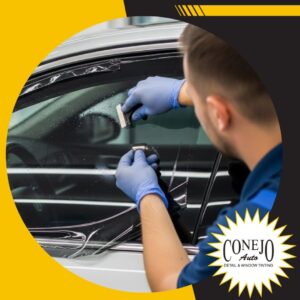
There is a rhythm to the days in Camarillo that your car learns quickly. The morning marine layer can bead fine moisture over the glass, the afternoon sun turns the valley bright and warm, and by evening a gentle breeze kicks up dust that you barely notice until it settles on the windows. If you have invested in quality window tint—especially ceramic film—you have already made your driving life more comfortable. But like anything exposed to the elements, tint deserves a care routine shaped by our coastal climate. With a few habits and an understanding of how film behaves between sea air and inland sunshine, you can help your tint look new for years. Locals often gather tips from friends across Ventura County and even from shops known for auto tinting in Thousand Oaks, and the best practices all come back to the same principles: gentle cleaning, smart parking, and patience during our unique cure cycles.
First Days: Curing in Marine Air
Right after installation, your film is in its most delicate state. The adhesive is setting, moisture is finding its way out, and the surface coating is ready to protect but not eager for rough handling. In Camarillo, where nights can be cool and the morning often arrives with a soft fog, curing may take a little longer than it would inland. That is perfectly normal. You may see faint haziness or tiny water beads trapped between film and glass. Resist the urge to press on them. They are not flaws; they are part of the process, and they will evaporate as the sun warms the car. Give the film at least several days without rolling the windows, and avoid heavy cleaning for a couple of weeks.
Parking helps. If you can, alternate between shade and gentle sun in the first week so the film warms and cools gradually. The point is to avoid extreme heat spikes early on. Our afternoon sun can be intense; a windshield shade and cracked windows (on untinted glass if legal and secure) help keep the cabin reasonable while the film finds its permanent bond. By the end of that first period, your tint will start to look like part of the glass itself.
Everyday Cleaning That Respects the Film
Once cured, tinted windows are easy to maintain if you adopt a soft touch. The simplest advice is the best: always use a clean, plush microfiber towel and a tint-safe cleaner without ammonia. Ammonia can cloud or weaken some hard coats over time. In our area, where fine dust rides the breeze from the fields, dry-wiping glass is the enemy. Mist the towel lightly and lift the dust away instead of dragging grit across the surface. You will notice that a gentle technique keeps those maddening micro-scratches from forming, the ones that only show up when late afternoon sunlight slices across the glass on your drive along the 101.
Pay special attention to the top edge of roll-down windows. That is where seatbelts smack and where fingers grab. It is also where grime collects. A quick, careful pass with a damp microfiber keeps that edge from turning into a dark line that catches your eye. If your vehicle has tight seals that rub the film, ask your installer about edge protection or specific cleaning methods that keep adhesion strong there.
Salt, Sun, and Smart Parking
While Camarillo is not oceanfront, we feel the ocean. Salt in the air drifts inland, settles lightly on surfaces, and pairs with sun to create a mild abrasive environment. The solution is simple: rinse more often and wipe more gently. If you park outside near Mission Oaks or along Las Posas, aim for a weekly wipe-down of the glass with a damp microfiber, even if the car is not visibly dirty. This keeps salt crystals from building up and scratching when you do a deeper clean.
Parking strategy matters, too. Whenever practical, favor shade during the hottest part of the day. It is not just about comfort; shade limits the thermal swings that stress film and adhesives. Use windshield shades and, if your car’s design allows, crack windows slightly to vent heat. In an EV, a cooler cabin keeps range steadier by reducing AC load. In any vehicle, it makes you less likely to crank fans to full blast the moment you start the engine, which means less dust stirred up inside.
Dealing with Morning Condensation
Morning haze inside the film can spook owners who think something is wrong. In our climate, this nearly always resolves as temps rise. If you notice a persistent area that does not clear after a couple of sunny days, contact your installer. Most of the time, it is a pocket of moisture taking the scenic route out. Occasionally, it is an indicator that the edge did not seal perfectly and needs a quick touch-up. Being proactive here prevents small issues from growing into visible lines or bubbles.
For garage-parked vehicles, consider air circulation. A small movement of air can help residual moisture evacuate, especially in the first weeks. Just avoid blasting heat or direct fan nozzles onto fresh film, which can force uneven drying.
Window Tracks and the Sandpaper Effect
Window channels collect debris, and Camarillo’s dust finds its way into those hidden grooves. The first time you roll down a freshly tinted window through a gritty track, the film can pick up a fine scratch that will annoy you for years. Ask your installer to clean the tracks thoroughly during the job, and try to avoid cycling the glass for several days afterward. Over time, a periodic track cleaning helps a lot. You can do a light version at home by wrapping a damp microfiber around a thin plastic card and running it gently along the felted channel, but if you are unsure, ask a pro to handle it during your regular detailing.
Seatbelts are another common culprit. When unbuckled casually, they slap the glass right at the top edge. Make a habit of guiding the belt back. It is a small, automatic gesture that preserves the clean, invisible seam you admired on day one.
Choosing the Right Cleaners and Towels
Not all microfibers are equal. The plush, edgeless kind is your friend, and keeping a stash of fresh towels avoids transferring grit back onto the glass. Wash them separately from cotton and without fabric softener, which leaves residues that smear. For cleaners, a simple, ammonia-free glass spray or a diluted mix of distilled water and a drop of mild soap does the job. Avoid anything labeled abrasive or heavy-duty. If you get sticky residue on the glass—tree sap at the park, for instance—test a tiny area first or consult your installer for a safe remover.
How Ceramic Film Shines in Our Climate
Care is easier when the product is resilient. Ceramic films are particularly well-suited to Camarillo because they reject infrared heat and block UV without needing extreme darkness. That means you can keep a bright, natural view at night while enjoying a cooler cabin at noon. It also means the film’s color stays true rather than drifting toward purple, even after summers of sun exposure. If you have ever parked all day at the Outlets and returned to a car that feels surprisingly reasonable inside, you know what the right film can do.
Another plus is technology friendliness. Ceramic is non-metallic, so keyless entry, GPS, and phone reception behave normally. In a place where so many of us bounce between errands, school runs, and freeway hops, that reliability avoids headaches.
Fixing Minor Flaws Before They Grow
If you notice a small speck or a faint line near an edge a few weeks after installation, do not panic. Sometimes dust finds a way, even in careful shops. Many of these minor issues can be corrected if addressed promptly. A skilled installer can lift and reset a corner or apply focused heat and pressure to settle a stubborn area. The earlier you ask, the easier the fix. The longer a flaw bakes in the sun, the more it becomes part of the landscape.
With older film, watch for adhesion loss around the dot-matrix border on the rear glass. That hazy band can often be improved with targeted work rather than a full redo, but if the film has also faded or bubbled elsewhere, replacement becomes the smarter long-term move. A new ceramic film will give you both the clean look and the performance boost that older films cannot match.
Interior Habits That Help
It is not only about the glass. Keep interior plastics and leather conditioned so they do not off-gas excessively in heat; that vapor can leave residues on film. Avoid hanging air fresheners directly against the glass, and do not spray cleaners toward the film from inside. Apply products to a towel first. When loading cargo, watch corners and hard cases near the rear glass, and set a blanket along the top of the rear seatbacks if you slide gear in often. That small buffer keeps your film from taking the brunt of an awkward angle.
For families, teach kids to press window switches gently. Hard presses and half-cycles create chattering on some regulators that can vibrate film edges. It sounds fussy, but over years, small habits add up.
Seasonal Checkups and Professional Touches
Every spring and fall, give your tint a once-over. Look for any haze that does not wipe away, edges that feel slightly raised, or lines that could be early scratches. If you are scheduling a detail, ask the pros to include a tint-safe window service. They will use the right towels and products and can flag anything that needs attention. For deeper maintenance or upgrades, many drivers coordinate visits with other errands around the region and even plan stops for trusted auto tinting in Thousand Oaks to compare film lines or handle specialty requests. What matters most is working with teams who respect the preparation process in our dust-prone, salt-kissed environment.
Legal Considerations and Practical Choices
Care is easier when you start with a legal, livable setup. California allows only limited windshield tint and restricts darkness on front side windows. A good installer will explain your options and recommend a ceramic shade that keeps night visibility comfortable while still delivering strong heat control. Rear windows can typically go darker for privacy and climate management, but pairing that with brighter fronts often provides the most natural driving experience. When your tint supports clear vision, you are less likely to push cleaning or defogging aggressively, which makes care gentler by default.
When to Consider Replacement
No film lasts forever, and the moment you start seeing purple fade, persistent haze, or adhesive failure, replacement is wise. In Camarillo, the sun is patient and thorough; rather than live with a slowly degrading view, upgrading to a modern ceramic film resets the clock and gives you a cabin that looks and feels better immediately. Removal should be careful and methodical, especially on rear glass with defroster lines. Steam and skill beat blades and speed every time.
Frequently Asked Questions
Q: How long should I wait before rolling the windows down after tinting? A: In our coastal climate, waiting several days is smart, and a full week is even better. Cool nights and morning moisture slow curing slightly, and patience helps edges bond cleanly.
Q: What is the safest way to clean tinted windows? A: Use an ammonia-free cleaner or a mild soap solution with a plush microfiber. Spray the towel, not the glass, and wipe gently to lift dust rather than grind it around.
Q: Do I need to do anything special because of salt in the air? A: A light weekly wipe-down helps prevent salt crystals from building up. Rinse more often if you park outside regularly or commute near the coast.
Q: Can I fix small scratches in the tint? A: Minor surface marks sometimes blend with gentle cleaning and careful polishing of the hard coat, but deeper scratches typically require panel replacement. A pro can assess whether a touch-up is worthwhile.
Q: Why does my tint look hazy in the morning but fine by noon? A: That is moisture and temperature at work. Marine-layer mornings can accentuate residual curing moisture or surface condensation. Sun and airflow clear it quickly in most cases.
Q: Is ceramic film really better for Camarillo? A: Yes. Ceramic films block UV and reject infrared heat without relying on heavy darkness, which suits our bright days and the need for clear night driving.
If you are ready to give your tint the care it deserves—or thinking about refreshing old film with a modern ceramic upgrade—reach out to a trusted local installer who understands Camarillo’s coastal rhythm. Set up a quick assessment, ask about long-term maintenance, and plan your install for a stretch of steady weather. And if you coordinate errands across the valley, you can include a visit to a respected provider of auto tinting in Thousand Oaks to compare options. With the right film and a few easy habits, every drive can feel cooler, clearer, and more relaxed, no matter what the marine layer decides to do tomorrow.