There is a moment most Camarillo drivers recognize. You slide into the seat after lunch on a sunny day, touch the steering wheel, and feel a flash of heat that drains your enthusiasm for the next errand. Quality window tint transforms that moment. It does not just shade the cabin; it changes how your glass interacts with sunlight, keeping radiant energy from turning the interior into an oven. But not all films are created equal. Film quality shows up in the way your car feels on the first hot afternoon, how the glass looks at night, and how the windows age after a year parked at schools, fields, and shopping centers across town.
As a local, I have seen what works for our particular blend of coastal influence and inland heat. A great film is one that manages infrared energy, blocks UV, preserves optical clarity, and resists fading. It feels calm to look through, neutral in color, and consistent from edge to edge. When friends ask how to tell the difference, I suggest they start with how the film handles heat and light rather than how it looks on a sample card. The right choice often looks surprisingly natural while delivering a very real change in cabin comfort. For drivers who move between Camarillo and the Conejo Valley, I also point to helpful comparisons offered in nearby communities, including guides focused on auto tinting Thousand Oaks, because the sunlight conditions and commuting patterns match ours closely.
What Film Quality Really Means
Quality is a mix of ingredients, engineering, and testing. The core layers of a film—its base, adhesive, and functional coatings—must work in harmony. High-performing films use advanced ceramics to interact with the infrared slice of sunlight that makes us feel hot. They do this without relying on overly reflective finishes, which can look out of place and attract unwanted attention. When you look through a quality film, the view should feel natural. Colors should render true, edges should remain crisp, and there should be no sense of haze or distortion once the film has cured.
Color stability is another hallmark. Some older or lower-tier films shift toward purple or bronze as they age in strong sunlight. In Camarillo, with our bright afternoons, that shift can happen quickly. Premium films are engineered to hold their tone over many seasons, which keeps your car looking refined and prevents the mismatched appearance you sometimes see on older vehicles.
Heat Rejection Without Excessive Darkness
Perhaps the biggest misconception about film quality is that darker equals better. In truth, the best films control heat without needing to go very dark. They target the wavelengths responsible for warmth and allow visible light to pass in a controlled, comfortable way. That is particularly important for night driving on the 101 or along unlit stretches near Pleasant Valley. With a well-chosen film, your eyes stay relaxed after dark, yet the cabin stays much cooler under midday sun.
Privacy glass in many SUVs provides a good example of why technology matters. Those panes look dark but often do little to fight heat. Adding a true performance film to that glass transforms how the rear cabin feels, especially for kids and pets. The front side windows benefit from the same technology, carefully chosen to harmonize with California’s guidelines while delivering tangible relief.
Optical Clarity and Everyday Comfort
Optical clarity is not a luxury; it is a daily safety factor. A quality film should disappear while you drive. You should see traffic, pedestrians, and signage without color distortion or a milky sheen. Achieving that clarity begins with precise manufacturing and continues with careful installation. The film’s adhesive must bond evenly, the glass must be prepared meticulously, and edges must be laid cleanly. When all those pieces come together, you get the comfortable sensation of looking through a calmer, cooler world rather than a tinted filter.
Some drivers notice clarity most during twilight, when contrasts deepen and headlights begin to sparkle on the horizon. Inferior films can produce halos or soft focus during this period. High-quality films avoid that issue, preserving crispness and reducing eye strain. On long drives across the grade, the difference becomes obvious hour after hour.
Durability in Camarillo’s Sun
Durability is a measure of how the film resists fading, color shift, and adhesive fatigue. Our climate can be deceptively demanding, with cool mornings that swing into bright, warm afternoons and Santa Ana events that raise temperatures quickly. A robust film tolerates those cycles without bubbling, peeling, or losing its character. The topcoat should shrug off minor scratches from routine cleaning, and the adhesive should hold tight through seasons of heat soak in parking lots around town.
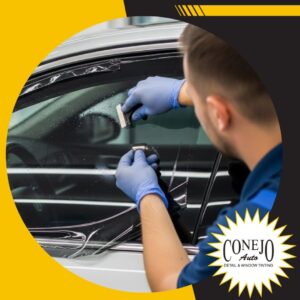
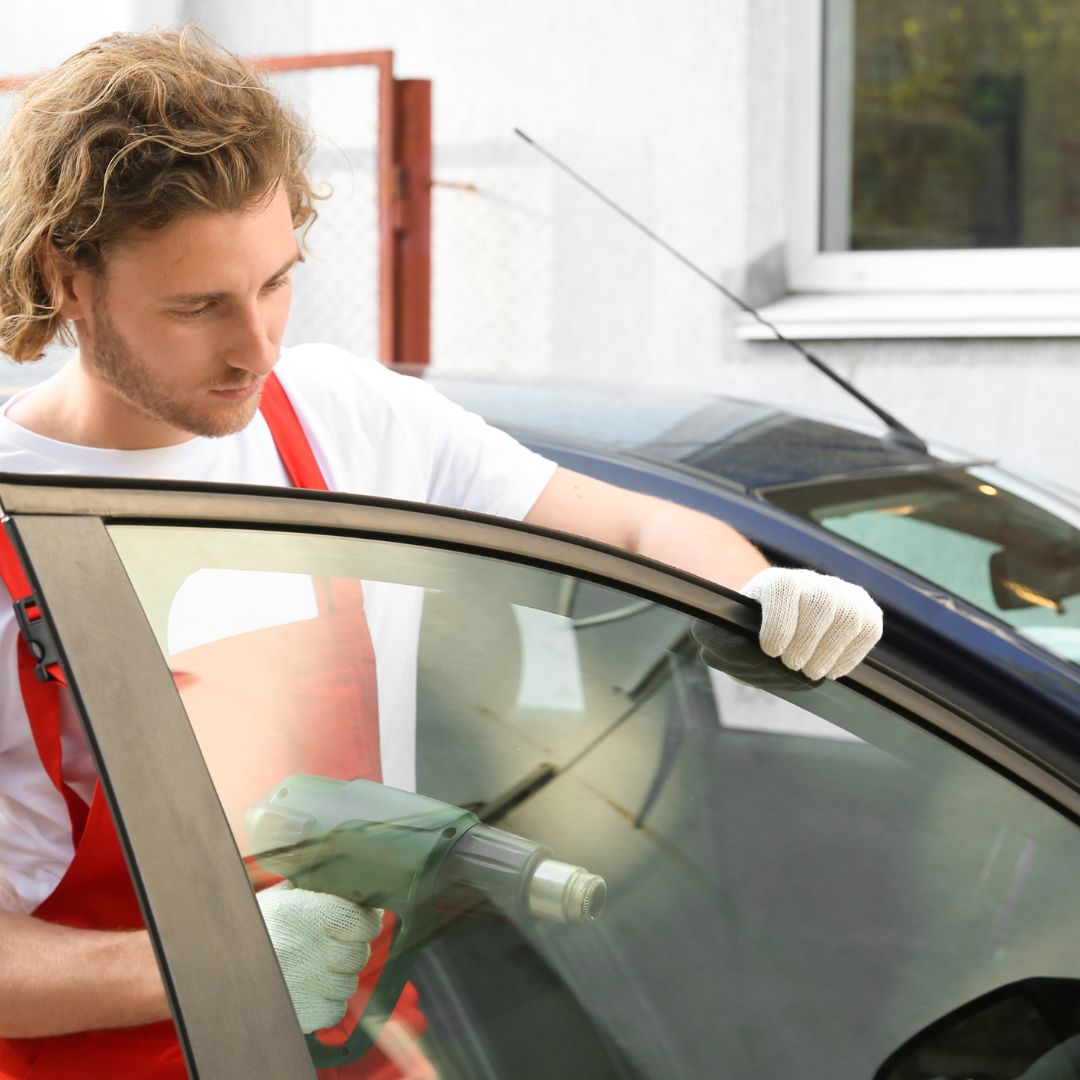
Installation practices play a role here too. A shop that controls dust, protects your interior during prep, and respects curing time gives the film the best start. That early care shows months later when the glass still looks pristine, edges are secure, and the view is as clear as day one.
Why Local Expertise Matters
Film quality on paper is one thing; film quality on your specific vehicle in Camarillo is another. Local installers have seen what the midday sun does to certain dashboards, which vehicles have tricky frit bands, and how different glass shapes respond to film tension over time. They will guide you toward tones that feel right in late-afternoon glare and remain comfortable during night drives. They will steer you away from flashy, high-reflective looks and toward understated performance that blends in with your car’s design and our community’s expectations.
Part of that expertise is helping you evaluate demos in a way that mirrors real life. Instead of viewing sample chips under indoor lighting, a good shop will show you live panes near a bay door or outside where you can feel the difference. They encourage you to sit in a car that has the film installed so you can sense the calmer cabin for yourself.
Comparing Insights From Nearby Communities
Because so many Camarillo residents work or shop over the grade, regional guidance carries weight. Balanced, practical discussions of auto tinting Thousand Oaks reflect the same sunlight, the same commute rhythms, and the same desire for comfort without fuss. Seeing that alignment helps you feel confident that your priorities—heat control, clarity, and durability—are on target.
Care and Maintenance for Lasting Quality
Once installed, quality film is easy to live with. Give it time to cure as your installer recommends, then clean with a soft cloth and a film-safe solution. Avoid abrasive pads and harsh chemicals. In our area, where light dust can settle on sunny days, a quick, gentle wipe keeps the inner surface looking perfect. That small habit preserves the film’s optical character and extends its life.
As the seasons turn, you will notice subtle wins. Seats feel less parched, dashboards retain their tone, and the cabin does not surge in temperature as soon as the sun breaks through. Those are the cumulative benefits of choosing film that is engineered for performance rather than just appearance.
Frequently Asked Questions
How can I tell if a film is truly high quality?
Look for consistent optical clarity, neutral color, strong resistance to heat, and a proven track record of stability in sunny climates. Ask to see real vehicles with the film installed and evaluate visibility at different times of day.
Do I need a very dark tint to keep my car cool?
No. The best films target the wavelengths responsible for heat, allowing them to keep the cabin comfortable without going excessively dark. This approach also preserves safer visibility at night.
Will the film change color over time?
Quality films are engineered for color stability. They hold their tone through many seasons of sun exposure, avoiding the purple or bronze shift associated with older or lower-tier products.
Is factory privacy glass enough on its own?
Factory privacy glass changes appearance but offers limited help against heat and UV. Applying a performance film to those windows significantly improves comfort and protection, especially for rear passengers.
What should I expect during installation?
Expect careful preparation of the glass, protection of your interior surfaces, precise edge work, and clear guidance on curing and aftercare. A professional installation elevates the strengths of a quality film and ensures you see the full benefit.
Ready to Upgrade Your Driving Experience?
If you are ready for a calmer, cooler cabin on every Camarillo drive, talk with a local professional who understands our sun, our roads, and our expectations. Ask to compare film options in real light, choose the clarity and heat performance that suit your life, and schedule your appointment. When the moment arrives to move forward, book your visit and lean on regional insights, including practical guides tied to auto tinting Thousand Oaks, so you can enjoy quality that shows up every time you slide behind the wheel.