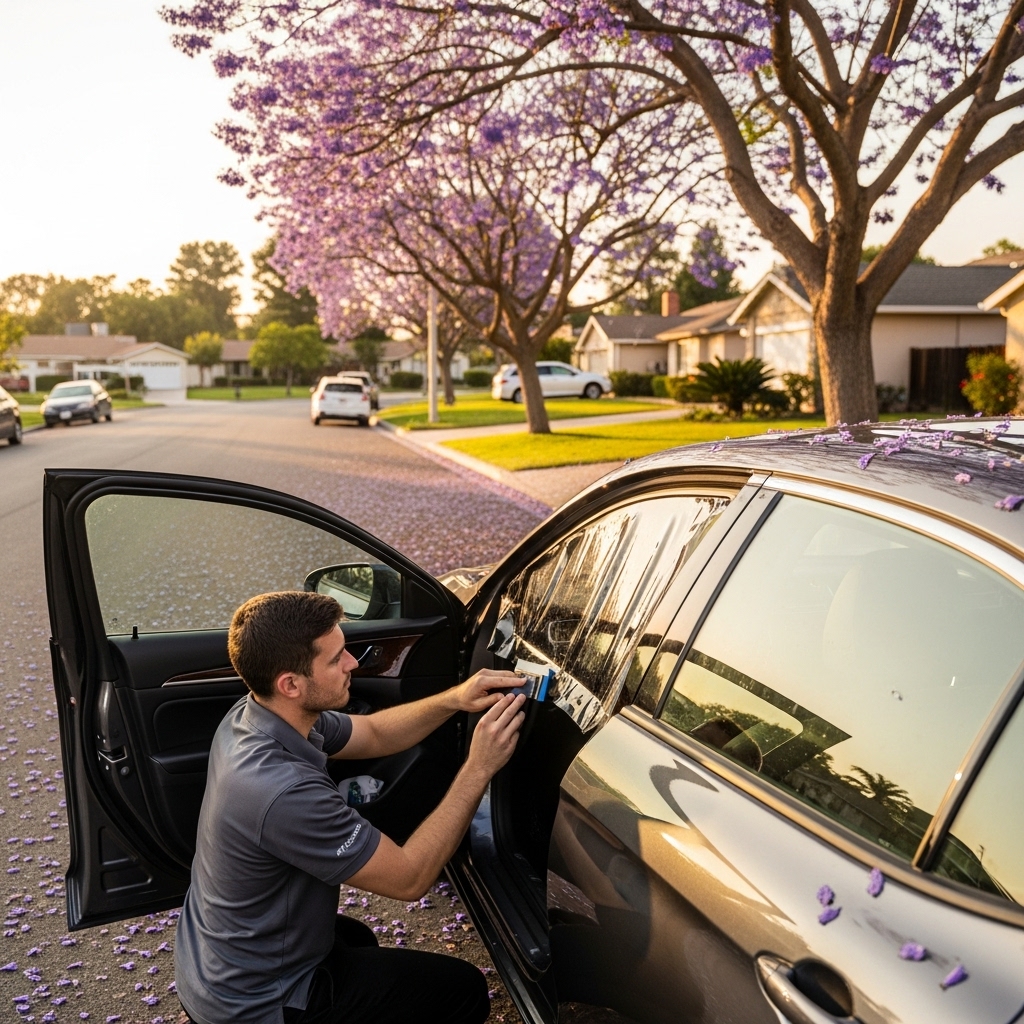
Drive any stretch of Ventura Boulevard or cruise down the 101 through Camarillo on a bright afternoon, and you feel it instantly: the kind of sunlight that seems to soak into your seats, your dashboard, and even the steering wheel. Our Mediterranean climate blesses us with clear skies and mild winters, but that same sunshine can turn a cabin into a little greenhouse. Auto window tinting is more than a cosmetic add-on here; it is a comfort solution, a protective measure, and a way to keep your car feeling composed as the day heats up. Locals know the routine of parking under a jacaranda or stretching for the only sliver of shade in a crowded lot. Tinting simply tips the balance, helping your vehicle resist heat gain before it begins.
When neighbors ask how to make their daily drives calmer and more temperate, I remind them that tint is a passive defense. You do not need to fiddle with switches or crack every window to keep the interior reasonable; a well-chosen film thwarts a large portion of the sun’s energy from entering in the first place. That means less strain on your air conditioning, fewer temperature swings between coastal mornings and inland afternoons, and a cabin that stays pleasant when you run errands around Pleasant Valley Road and Arneill. If you are weighing your options, look at heat control as the guiding principle. Styling matters, visibility matters, but keeping the sun’s thermal load at bay is what separates everyday tint from a thoughtfully selected system. For area drivers who explore across the grade toward Thousand Oaks, I often point them to resources devoted to auto tinting Thousand Oaks because the climate and expectations are similar, and the insights carry neatly back to Camarillo.
Spend a single summer parked along Ventura Road and you learn quickly that direct sunlight is only part of the story. The cabin warms even when the vehicle is moving, because infrared energy streams through untinted glass and gets absorbed by interior surfaces. Those surfaces re-radiate heat, and because the car is relatively enclosed, the heat lingers. A strategic tint film interrupts that process right at the glass, reducing how much solar energy passes through and dramatically calming the ride without compromising driving focus.
Why Heat Control Matters Every Day in Camarillo
The seasons here are gentle by many standards, but the combination of bright sunshine, Santa Ana conditions, and the low angles of morning and late-afternoon light can make interiors harsh. Heat control is not only about comfort. It protects materials that are constantly bathed in UV and infrared energy. Leather, vinyl, stitching, and adhesives are all vulnerable to accelerated aging when exposed to the sun. With proper tint, the dashboard resists fading and cracking, door panels retain their shape, and the headliner does not dry out prematurely. You may notice fewer squeaks and rattles over time as materials stay more resilient and less heat-stressed.
There is also a safety dimension. On long commutes into Oxnard or up toward Santa Barbara, sustained heat contributes to fatigue. If your cabin remains cooler, you are less likely to overwork the climate control and less likely to feel that slow drain of energy as the afternoon light pours in. The cabin’s glass becomes part of your car’s thermal management system, silently shaving down the radiant load before it ever reaches you and your passengers.
The Science of Tint and How It Blocks Heat
It helps to think of sunlight as a blend of ultraviolet, visible, and infrared energy. Ultraviolet is what fades fabrics and harms skin; visible is what we see; infrared is what we feel as warmth. High-performing heat-control tints are engineered to reject a significant portion of the infrared slice without making the windows too dark to live with. That balance is achieved through advanced film constructions, often with nano-ceramic components that interact with infrared wavelengths. Instead of relying on mirror-like reflectivity, modern films can look natural while quietly diminishing heat transmission.
Another subtlety is how films handle the inside-to-outside temperature gradient. A film that rejects heat efficiently reduces the temperature swing across the glass. This makes the glass less stressed and can minimize thermal fatigue over years of daily cycles. Because the material bonds to the interior surface, it works with the factory glass as a combined system, the film fine-tuning how that pane deals with solar energy.
Choosing the Right Film for Camarillo Heat
One of the joys of living here is our changing light throughout the day. Morning fog near the coast, midday brilliance, and glowing sunsets across the Conejo Grade ask different things of your eyesight. For heat control, look to films known for strong infrared rejection that still preserve clarity. You want your eyes to stay relaxed while you scan traffic around the 101 interchange or ease into neighborhoods near Mission Oaks. Depth of tone is personal, but the technology behind the film matters most. A great film feels invisible in terms of clarity yet tangibly changes the thermal character of your car.
The right match also depends on the vehicle itself. A compact hatchback with abundant glass needs a different approach than a large SUV with privacy glass in the rear. Privacy glass can look dark from the factory but does little for heat control; adding an appropriate film transforms those rear windows into actual thermal shields. Up front, you want a level that protects without impeding visibility, especially on coastal nights when glare can be a factor.
Local Installation Quality Makes the Difference
You can spot a carefully installed tint by the way it disappears into the car’s design. Edges are clean, the film sits tight to the borders, and the rear window contours are handled with precision. Local experience matters because installers who work in Camarillo understand which models present tricky gaskets, how to protect delicate interior trims, and which cars benefit from specific edge techniques. A proper install also means the adhesive cures evenly and is given the right time to set, crucial for clarity and long-term durability in our sun.
Quality-focused shops will walk you through film options, explain aftercare, and calibrate your expectations for the first few days when a bit of haze can appear before the adhesive settles. This educational moment is valuable; when drivers understand what the film is doing and how it will evolve over the first week or two, they enjoy the results more. Midway through your research, it can be helpful to compare what neighboring communities value in their tint. I often reference guides that discuss auto tinting Thousand Oaks because they highlight similar commuting patterns and sunlight conditions, shaping practical expectations for us in Camarillo.
Staying Comfortable Within California Guidelines
California has statewide standards that shape how dark the front windows can be and where certain tints may be applied. Living in Camarillo, many of us split our time between coastal roadways and inland errands, encountering different enforcement cultures along the way. A reputable installer will align your selection with regulations so you enjoy maximum heat control while staying within the boundaries that help keep roadways uniformly safe. Good films do not need to be excessively dark to reduce heat. The technology in modern ceramic films lets you keep visibility clear and still feel a meaningful drop in thermal load.
Aftercare for Lasting Heat Performance
The first few days after installation are a period of patience. You should let the film settle, avoiding unnecessary window movement if possible. Once cured, cleaning is simple and low-maintenance. A soft cloth, a mild glass cleaner that is film-safe, and gentle technique are all that is required. Avoid harsh abrasives or ammonia-heavy products. In our climate, where dust can swirl on breezy afternoons, a quick wipe keeps the glass looking crisp and prevents grit from acting like a fine abrasive on the inner surface.
Over months and years, you will notice other benefits of consistent heat control. Interiors do not grow as sticky or brittle. The air conditioning cycles less aggressively in stop-and-go along Daily Drive. Passengers are more comfortable, especially children and pets in the back seats, and you can step into your car after lunch without bracing yourself for a blast of heat.
Real Scenarios From Local Roads
Consider a typical weekday that starts in Camarillo Village Square and includes a midday run across the grade. Without heat-rejecting film, you will feel the car warm quickly as the sun clears the morning marine layer and brightens the roadway. When you park, the cabin heat spikes and lingers. With an appropriate tint, the rise is slower, the peak is lower, and the overall experience is smoother. On the return trip, as golden light angles through the side glass, the tint softens the glare and takes the sting out of the warmth hitting your shoulder and arm. It turns what used to be a series of thermal highs and lows into a more even, comfortable timeline.
Weekend beach runs to Oxnard Shores or afternoons at a youth game by the YMCA tell similar stories. Between innings or after a walk in the dunes, you get back into a car that feels habitable. The AC still helps, of course, but it is no longer fighting an uphill battle. Instead, it polishes the already calmer cabin, letting you enjoy the drive rather than manage it.
Common Myths About Tint and Heat
A stubborn myth suggests that only the darkest tint can keep you cool. In reality, advanced films with sophisticated infrared rejection can look relatively light yet calm the cabin dramatically. Another misconception is that factory privacy glass equates to heat defense. Privacy glass simply colors the pane; adding a functional film to those windows is what changes the thermal profile. Some also worry tint will make night driving difficult. A balanced selection and professional installation preserve clarity after dark while still protecting you during the day. Trust the combination of modern materials and local know-how to strike that balance.
FAQs
How quickly will I notice cooler temperatures after tinting?
Most drivers feel a difference the very first sunny afternoon. The reduction in radiant warmth on your skin and the lower steering wheel temperature are early indicators. Over a week or two, as the film fully cures, clarity sharpens and the cabin’s thermal behavior becomes even more consistent.
Does heat-control tint help protect interior materials?
Yes. Effective films block a meaningful share of UV and infrared energy, both of which accelerate fading and material fatigue. Over time, dashboards, seats, and trims retain their color and suppleness longer, which improves how the car feels and ages.
Will I still need to use air conditioning?
Of course, but you will likely use it less aggressively. Tint reduces the thermal load entering the cabin, so the AC has less work to do. Many drivers find that they can maintain comfort at lower fan speeds and gentler temperature settings, especially during moderate-weather months.
Can lighter-looking films still provide strong heat rejection?
They can. Film technology has progressed to the point where a neutral, understated appearance can deliver impressive infrared rejection. The key is choosing a film engineered specifically for heat management rather than tint that is focused only on appearance.
What about the rear windows that already look dark from the factory?
Factory privacy glass changes appearance but not heat flow in a meaningful way. Applying a quality film to those panes enhances heat rejection and UV protection, aligning the rear of the vehicle with the performance of the front side windows.
Is there any maintenance beyond normal cleaning?
Not much. Once the film cures, you simply clean the windows gently from the inside with a film-safe cleaner and a soft cloth. Avoid sharp tools or harsh chemicals. With that basic care, the film continues to perform season after season.
Final Thoughts and Next Steps
If you are ready to make every drive through Camarillo calmer, cooler, and more enjoyable, consider scheduling a professional consultation to match film technology with the way you use your vehicle. A conversation with a local expert will help identify the right balance of heat rejection, clarity, and legal compliance so you get the best of all worlds. When you are set to move forward, reach out and book your appointment with a trusted team that understands our roads and our sun, and get started through resources like auto tinting Thousand Oaks to make informed, confident choices for your car.