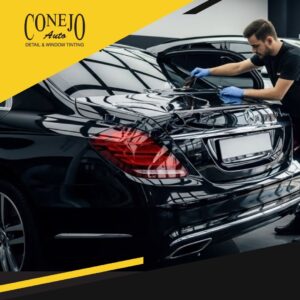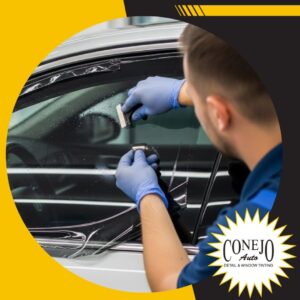
When it comes to upgrading your vehicle, few modifications make as much of a difference as Auto tinting. Beyond giving your car a sleek and stylish look, window tinting offers valuable benefits—ranging from UV protection and glare reduction to improved privacy and interior preservation. However, not all tints are created equal. Understanding the different types of window tint available can help you make the best choice for your car’s performance, appearance, and comfort.
Why Auto Tinting Matters
Before diving into the types, it’s important to understand why Auto tinting is more than just an aesthetic upgrade. Quality window tint can block up to 99% of harmful UV rays, reduce interior heat by as much as 60%, and protect your car’s upholstery from fading or cracking. Additionally, many drivers appreciate the added privacy and glare reduction that tinted windows provide—especially during long commutes or sunny road trips.
Types of Window Tint
1. Dyed Window Tint
Dyed tint is the most affordable and widely used option. It features layers of dye that absorb sunlight, giving your windows a darker appearance. While it effectively reduces glare and improves aesthetics, it offers limited heat reduction compared to other films. Over time, dyed tints may fade, requiring replacement to maintain their color and performance.
2. Metalized Window Tint
Metalized tint contains small metallic particles that reflect heat and UV rays. This makes it more durable and effective at keeping your car cool than dyed film. However, it can interfere with GPS, radio, and cellphone signals, which is something to consider if you rely heavily on in-car technology.
3. Hybrid Tint (Dyed + Metalized)
As the name suggests, hybrid tint combines the best of both worlds. It uses a mix of dye and metal layers to provide heat rejection without excessive reflectivity. This makes it a balanced option for drivers who want efficiency, style, and affordability.
4. Carbon Window Tint
Carbon film offers excellent heat reduction without metallic interference. It’s known for its matte finish, UV protection, and long-lasting color stability. While more expensive than dyed or metalized tints, carbon films are a great investment for those seeking durability and performance.
5. Ceramic Window Tint
At the top of the line, ceramic tint provides superior performance. Made with non-metallic, nano-ceramic technology, it blocks infrared heat, UV rays, and glare without affecting visibility or electronic signals. Though it’s the most expensive option, it delivers unmatched comfort, clarity, and longevity.
Choosing the Right Tint for Your Vehicle
When selecting a tint, consider your budget, climate, and driving habits. For example, ceramic or carbon tints are ideal for hot regions, while dyed or hybrid options work well for moderate environments. Always ensure that your chosen film complies with local tinting laws regarding darkness and reflectivity.
Auto tinting is one of the most practical ways to enhance both the appearance and comfort of your car. By understanding the differences among types of window tint, you can make an informed decision that fits your lifestyle and budget. Whether you prioritize heat resistance, privacy, or aesthetic appeal, the right tint can make every drive more enjoyable—and more stylish.
Read more: