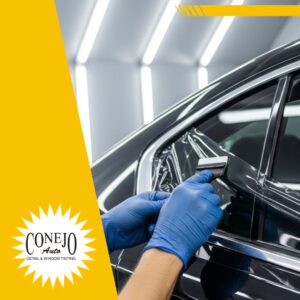
When you live and drive in Camarillo, you quickly discover that the qualities we love most about this place—the mild Mediterranean sun, the coastal breeze that rolls in across the Oxnard Plain, and the easy flow of daily life between Old Town, the Premium Outlets, and the 101—create a unique environment for your vehicle’s paint, interior, and glass. As a local detailing professional, I’ve spent years watching how the marine layer can leave fine mineral deposits, how Santa Ana winds usher dust from the surrounding agricultural fields, and how parking beneath sycamores and jacarandas can challenge even the best-maintained finishes. That is precisely why comprehensive auto detailing in Camarillo is more than a checklist; it is a thoughtful sequence of inspection, preparation, restoration, and protection. If you have ever wondered how to keep your vehicle looking deep, glossy, and healthy, the journey starts with an approach that respects our local conditions and draws on proven techniques seen in neighboring communities, including services similar to what you might find through auto detailing.
Comprehensive detailing is about bringing every surface of your vehicle—paintwork, wheels, glass, trim, and interior materials—into harmony. It is not only the satisfying transformation you can see; it is also the subtle improvements you feel when doors close against freshly conditioned seals, when visibility is sharper through polished glass, and when a clean, balanced scent greets you after every drive. Here in Camarillo, where a morning drive can begin in cool, hazy air and end in bright afternoon sun, that harmony matters. It means your car stands ready for shifting humidity, UV exposure, and the kind of fine debris that accumulates in seams and crevices during a week of errands or a weekend drive along the Grade.
Understanding Comprehensive Detailing in a Coastal-Inland Microclimate
Our region sits at the intersection of coastal influence and inland warmth. The paint on your vehicle expands and contracts slightly as temperatures rise and fall; clear coat can oxidize under extended UV, and airborne salts can encourage a film that dulls reflections if left unaddressed. A comprehensive service navigates all of this with an ordered process. Step one is evaluation: identifying contamination like overspray, rail dust, or embedded particulates from windblown soil. Step two is preparation, including careful washing that avoids scratching and follows with decontamination—typically a clay treatment and targeted chemical methods. By the time we begin touch polishing, we know what the finish needs and, just as importantly, what it does not.
From there, paint correction becomes the inflection point of any thorough exterior detail. Not every car needs multi-stage polishing, and not every finish responds the same way. Softer paints, common on certain modern vehicles, can mar easily and require gentler pads and polishes. Harder paints can be coaxed into clarity through measured, consistent passes. The aim is always the same: to refine away the haze and micro-marring that steal depth, without removing more clear coat than necessary. In Camarillo’s steady sunlight, the difference between a surface that is merely shiny and one that truly possesses crisp, liquid reflections is unmistakable.
Exterior Perfection: From Decontamination to Lasting Protection
Exterior decontamination begins with a wash that respects the realities of local water hardness. Using the right shampoo and technique, we encourage a slick film that lifts grime without forcing it across the paint. The rinse must be thorough to prevent spotting, followed by a gentle drying method calibrated to reduce friction. Then, the clay stage removes leftover contamination the wash cannot reach—things like stubborn rail dust, light sap residue, or the faint specks you can feel more than see. When done correctly, the paint feels glassy even before polishing begins.
Polishing, whether a single enhancement pass or a more targeted multi-step correction, is chosen after paint inspection under proper lighting. In Camarillo, where many vehicles spend their days outdoors, swirl marks are common. A well-executed correction removes them patiently, revealing a crisp reflection that is masked by even mild haze. The finish is then sealed. Some owners prefer a traditional sealant for a warm glow; others favor durable coatings to shield against UV, bird residues, and water spotting. The best choice depends on how the car is driven and stored. Daily drivers that frequent the outlets or park near the office benefit from robust protection, while garage-kept weekend cars might prioritize a certain look and tactile feel.
Wheels and tires deserve as much attention as paint. Brake dust and road film accumulate in barrels and behind spokes, and in our area that dust can fuse more stubbornly when heat from afternoon drives meets cooling evening air. Careful wheel cleaning, iron decontamination when needed, and a protectant safe for your wheel finish make a visible difference. Tires gain a satin, factory-true look when dressed with the right product in the right amount, and wheel wells become clean, dark frames that visually anchor the exterior.
Glass That Stays Clear Across the 101 and Back
Glass polishing is a small art, especially when etched water spots begin to show on windshields and side windows after weeks of marine layer mornings. A refined polish evens these surfaces, restores clarity, and helps wipers move without chatter. A hydrophobic treatment on exterior glass improves foul-weather driving, lifting the stress of evening commutes on the 101 when mist or drizzle returns. It also makes cleaning easier, keeping the glass resistant to the faint mineral veil that sometimes follows overnight dew.
Trim and plastics tell their own story. UV fades unprotected trim to gray, and if left alone, restoration gets harder. Properly cleaning, re-dyeing when appropriate, and then sealing polymer and rubber components prevents that slow fade and helps trim match the revived paint. The door handles, mirror caps, cowl plastics, and seals around the windshield all contribute to the impression of a car that is cared for end to end.
Interior Excellence: Materials, Method, and Micro-detailing
Interiors in Camarillo endure a different rhythm of wear than those in harsher climates. Sun is still the primary stressor, especially on dashboards, upper door cards, and leather bolsters. A comprehensive interior detail begins with a systematic vacuum, but from there it becomes about materials knowledge. Leather responds best to gentle cleansing and conditioning that supports its protective topcoat without leaving a slick residue. Fabrics need precise stain treatment and extraction that avoids oversaturation—too much water can wick hidden soils to the surface or invite musty odors later. Alcantara and suede-like materials get special brushes and low-moisture techniques to keep the pile uniform.
The crevices that gather fine dust tell the story of a car’s daily life. Switchgear, the tight seams around the center console, the sliding rails beneath seats, and the vents all need methodical passes with air, brushes, and microfiber. The steering wheel, a high-touch surface, should be cleaned until it is matte and grippy, not shiny. Windows are polished inside to remove film from off-gassing materials—something every new or recently detailed car knows all too well. Finally, a light, balanced cabin scent caps the experience, never overpowering but complementing the clean.
Odor Neutralization and Cabin Health
Neutralizing odors requires more than masking. In a comprehensive service, we identify source points: perhaps a spilled coffee deep in the carpet backing, pet dander embedded in rear quarter panel trim, or moisture that seeped in during a rainy week and lingered. Enzymatic cleaners work at a microscopic level to break down organic residues, and targeted ozone or vapor treatments can be used judiciously when the situation calls for them, ensuring seals and electronics are respected. The goal is a cabin that smells like nothing but clean air, with textiles and leather that feel renewed rather than coated.
Engine Bay and Under-hood Care
A clean engine bay does more than impress. It makes maintenance easier—leaks are simpler to spot, and components stay cooler when free of grime. In our climate, dust and pollen find their way beneath the hood, and occasional sea air contributes a thin film. A careful, low-pressure rinse, targeted agitation with safe cleaners, and mindful drying protect sensitive areas. Plastic covers and hoses regain a uniform, non-greasy appearance, and metal surfaces look orderly and cared for. It is one of those details you may not show off often but that changes your relationship with the car every time you open the hood.
Specialty Surfaces and Local Realities
Convertible tops, matte paint, satin vinyl, and PPF each demand unique routines. A fabric roof needs thorough cleaning with dedicated solutions and long-lasting protection that resists UV and water intrusion. Matte paint and satin films should be cleaned and decontaminated while preserving their intended finish; gloss-imparting products must be avoided. Paint protection film benefits from gentle polishing to remove transfer marks and the same hydrophobic protection that keeps bugs and road film from sticking as you head over the Conejo Grade or out toward the coast.
For those who enjoy weekend trips to the Santa Rosa Valley or the rolling roads near the Santa Monica Mountains, tar and bug residues can build up. The right solvents, used carefully, dissolve contaminants without harming the clear coat or plastics. It is this measured approach—knowing what to use, where to use it, and when to stop—that defines comprehensive care.
How a Full-Service Approach Fits Your Routine
Comprehensive does not have to mean inconvenient. Many Camarillo owners coordinate their details around weekly rhythms—school pickups, market runs, or commute cycles. The service can be structured to respect your time, whether you prefer to drop off in the morning and pick up after work or schedule a Saturday appointment that gives you back a vehicle ready for a new week. Communication is key: we agree on priorities, walk the vehicle to set expectations, and provide updates so you know how the work is proceeding. That way, when you return, there are no surprises—only the satisfaction of seeing and feeling the transformation.
In the middle of a comprehensive service, we often pause for a second inspection under different lighting. What looked perfect indoors might reveal a faint trail of micro-marring in sunlight. Adjusting polish, pad, or pressure at that moment makes the difference. It’s the same mindset that leads many local enthusiasts to seek out seasoned shops in neighboring areas, sometimes referencing resources like auto detailing to understand approaches and finishes before choosing exactly what they want for their own cars.
Maintenance After the Transformation
Once the car is restored and protected, a simple maintenance routine prevents backsliding. Camarillo’s calm weather can give a false sense of security; the car looks clean longer, but fine dust and UV never stop working. Gentle weekly washes, proper drying, and periodic top-ups of protection keep everything in balance. Inside, a quick vacuum and wipe-down preserve the full interior detail. With these habits, the deep gloss and crisp clarity you admire on day one stay present week after week.
Local Stories That Illustrate the Process
I remember a family that had recently moved near Mission Oaks bringing in a compact SUV that lived outdoors. It had that familiar combination of water spots and a lightly dull hood. The transformation started with careful decontamination—clay to remove the embedded grit—then a two-step polish tailored to the paint’s hardness. The glass was spot-polished, trim restored, and the interior reset with targeted stain lifting on the cargo area where sports gear had left marks. When they picked it up, the kids noticed the wheel wells first; the clean, dark arches made the paint look richer. Another owner from Old Town brought a classic coupe; the aim was to recapture a deep, warm glow without chasing every last mark. We landed on a single-stage polish and a protective layer that made the color pop under late afternoon sun, just in time for a weekend cruise.
Why a Comprehensive Service Matters More Than Ever
Vehicles are more advanced than ever, with multi-layer paint systems, sophisticated safety sensors, and interiors that combine leather, synthetics, and fabrics in complex ways. A full-service detail is not a luxury reserved for show cars; it is maintenance that protects your investment, preserves value, and enhances daily enjoyment. In a place like Camarillo, where the weather is kind but never passive, leaving surfaces to fend for themselves means slow, steady decline. Taking a comprehensive approach resets the clock and gives you a baseline from which simple habits can keep the car at its best.
Frequently Asked Questions
How often should I schedule a comprehensive detail in Camarillo?
For most daily-driven vehicles in our area, a truly comprehensive service once or twice a year keeps paint, glass, and interior materials in optimal condition. Between those visits, thoughtful maintenance washes and interior refreshes preserve the finish and prevent the gradual accumulation of contaminants that require heavier correction later.
What is the difference between a wash, a partial detail, and a comprehensive service?
A wash focuses on surface dirt removal. A partial detail addresses specific areas—perhaps an interior reset or a single-stage polish. A comprehensive service coordinates every system of the car: decontamination, paint correction, protection, glass polishing, trim restoration, wheels and tires, interior deep cleaning, and odor neutralization. The result is a cohesive transformation rather than isolated improvements.
Will a comprehensive detail fix deep scratches and chips?
Paint correction removes swirls, haze, and many light to moderate defects, but deep scratches that have penetrated clear coat or chips that expose primer require additional steps such as touch-up or refinishing. During inspection, we identify which defects can be polished away and which will need targeted repair.
How long does the protection last on the exterior?
Longevity depends on the protection chosen and how the vehicle is maintained. With proper washing techniques and periodic boosters, protection can remain strong for many months and, in some cases, much longer. The key is gentle care that supports the protective layer rather than undermining it with harsh chemicals or abrasive tools.
Can you eliminate stubborn interior odors?
Yes, in most cases. Odor control starts by locating and addressing the source, then using appropriate cleaners and targeted treatments. We are careful with sensitive materials and electronics, and we choose the mildest effective approach to avoid leaving heavy fragrances or residues.
Is engine bay cleaning safe for modern vehicles?
When performed with low-pressure techniques, targeted cleaners, and careful drying, engine bay cleaning is safe and beneficial. Protecting electrics, avoiding aggressive degreasers, and finishing with non-greasy dressings ensures a clean, factory-correct look without introducing risk.
Do you work with specialty finishes like matte paint or PPF?
Absolutely. Specialty finishes require dedicated products and methods to preserve their unique appearance. We tailor the process so that matte remains matte, satin remains satin, and protective films continue to do their job without visible residue or gloss changes.
If you are ready to experience the difference that comprehensive detailing makes in Camarillo, this is the moment to plan your vehicle’s transformation. Reach out to schedule an evaluation, talk through your goals, and set a time that fits your week. Whether you are preparing for a road trip, refreshing a trusted daily driver, or bringing a special car back to its best, let’s map out the right path together—and if you are exploring options beyond town, you can also consider resources like auto detailing for inspiration—then come back here to put that vision into action.