Walk outside in Camarillo on a bright afternoon and you can feel it instantly: that crisp coastal sunshine that bounces off strawberry fields, warms the valley, and turns the drive along the 101 into a dazzling panorama. It is beautiful, but it is also relentless, and anyone who commutes across Pleasant Valley Road or loops from Lewis Road to Daily Drive knows that glare and heat can make an otherwise simple trip feel exhausting. That is where ceramic auto tinting becomes less of a luxury and more of a quality-of-life upgrade. Longtime locals often compare it to finally putting the right sunglasses on your vehicle—except it is smarter, clearer, and built to thrive in our mix of sea breeze, marine layer mornings, and sun-soaked afternoons. If you have ever wondered why so many cars around town seem calmer and more comfortable in the midday sun, ceramic tint is usually the reason, whether drivers had it installed here in Camarillo or learned about options like auto tinting in Thousand Oaks while exploring the wider Conejo Valley.
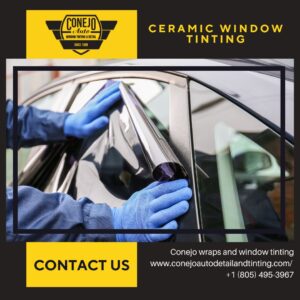
What sets ceramic tint apart is the way it manages the sun’s invisible power. Our region’s brightness is not just about light; it is about heat, especially in the infrared range that penetrates glass and turns the cabin into a slow cooker by lunchtime. Ceramic films are engineered with nano-ceramic particles that selectively reject that infrared energy while letting a comfortable amount of visible light through. You notice the difference before you reach the on-ramp: the steering wheel is cooler to the touch, the seats are not radiating heat back at you, and the air conditioning gets a head start rather than playing catch-up for the first fifteen minutes of your drive.
Heat, Glare, and the Coastal Microclimate
Camarillo’s climate is a bit of a shape-shifter. In the morning, the marine layer slides in from the Pacific and lays a silver veil over the Oxnard Plain. By late morning, it lifts, and the valley bathes in a brilliant, high-angle sun. The afternoon often brings a clean ocean breeze that can be deceptively cool, even while the solar load remains punishing inside your car. Ceramic tint meets these shifts with a steady hand. It cuts the sharp edge off glare when the sun drops over the Santa Monica Mountains, yet it remains optically clear, so the world outside does not look dim or distorted. Unlike old dyed films that darken your view to reduce glare, ceramic manages brightness without muddiness, so the coastline looks like the coastline, not a photo behind a smoked glass pane.
Then there is the matter of direction. Anyone who drives eastbound on the 101 in the morning or westbound in the evening knows that low sun can turn the windscreen into a light cannon. Ceramic tint on side windows reduces that lateral blast, making shoulder checks more comfortable, and helping your eyes stay relaxed. Even with legal, responsibly chosen shades, you can maintain excellent visibility while easing eye strain at the times of day when the sun pulls no punches.
Comfort That Shows Up on Every Drive
People often talk about ceramic tint as a summer-only upgrade, but in Camarillo, comfort is a year-round concern. In cooler months, the sun can feel mild on your skin but still pour infrared heat into the cabin during midday errands. Ceramic film acts like a silent, always-on shade for your car interior, moderating temperature swings so your AC does not blast cold air just to counter a sunbaked seat or a hot console. Over time, that gentler climate inside helps your dashboard, door panels, and upholstery resist fading and cracking. UV rejection is a big factor here; quality ceramic films block virtually all of the UV spectrum that ages materials and, importantly, your skin. If you haul kids to practice at Adolfo Camarillo High or take the dog out to Point Mugu, the peace of mind that comes with UV protection feels a lot like sunscreen you never have to remember to apply.
The same comfort extends to glare management. Out by the fields, those late-afternoon reflections off irrigation water or greenhouse plastic can flash like mirrors. With ceramic tint, your eyes relax, and you are less likely to squint, which makes driving smoother and more focused. It is not that the world becomes dark; it becomes less chaotic, the visual noise damped down to a level that complements the way we actually drive through this landscape.
Clarity and Technology Friendly Performance
If you ever tried a metallic film years ago and noticed your phone’s GPS took longer to lock on, or your keyless entry acted temperamental, you were not imagining things. Metalized tints can interact with RF signals. Ceramic films do not. The nano-ceramic construction is metal-free, so your Bluetooth calls, CarPlay, tire pressure monitors, and toll transponders stay happy. That matters in a place like Camarillo, where a quick run can leap from neighborhood streets to the freeway, and your tech is always part of the flow. Pair that with the optical clarity of a well-made ceramic film, and you get a window that looks like glass but behaves like a sun shield.
There is also a visual signature you will learn to appreciate: color stability. Low-end films often shift toward purple or green over time, a dead giveaway that the sun has won. Ceramic films are built to stay neutral and consistent, so your car maintains the same look season after season. Whether you drive a classic truck that turns heads at Old Town events or a modern EV that glides quietly past Mission Oaks Park, the film becomes part of the car rather than an accessory that ages out.
Real-World Camarillo Drives
Take a typical Saturday. You might roll down Las Posas toward the beach, where a blue sky opens without a cloud in sight. The ocean glare is different from inland glare; it is broader, flatter, and more diffuse. Ceramic tint reduces that sheet of brightness on your side windows, so your mirrors are crisp and turn lanes are easy to judge. Later, if you stop in at one of the industrial parks near Flynn Road, you will notice how steel siding and glass facades can punch extra light at awkward angles. Again, the ceramic layer dulls the sting without dulling your view. Then, on the way home, when the sun sits low over the ridge and bounces off roofs and windshields, you feel reassured knowing your side glass is part of your glare defense, not just a barrier against wind.
That same protection helps when Santa Ana winds push dust and dry air across the valley. The cabin cools faster because the seats and panels have not baked as severely. And if you park under the open sky near Camarillo Ranch House for an event, returning to your car feels less like opening an oven. That moment—when you slide in and the cabin is bearable—is when a lot of drivers become lifelong advocates for ceramic tint.
Choosing a Shade That Fits Your Life
Every driver’s needs are different, and with ceramic tint, you do not have to choose between performance and legality. California sets specific limits for certain windows, and a qualified installer will walk you through what is allowed while tailoring the film to your vehicle and visibility preferences. Many Camarillo drivers prefer lighter ceramic tints on the front doors for a bright, natural cabin feel while opting for deeper shades in the rear for privacy and thermal control. The beauty of ceramic is that even in lighter shades it still rejects serious heat, so you can stay compliant and comfortable without turning your windows into midnight panels.
For families, a bit more rear privacy goes a long way. School pick-up lines can feel like a fishbowl, and deeper rear glass offers a sense of calm without creating a visibility hazard. For rideshare drivers or folks who frequently transport clients, that tidy, neutral look signals professionalism. And for car enthusiasts in Camarillo’s active club scene, ceramic films complement clean builds without fighting color palettes or trim details.
Installation Quality and Why It Matters
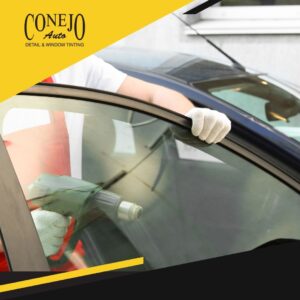
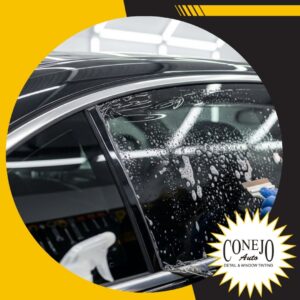
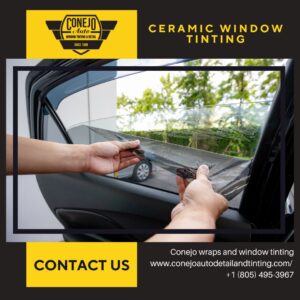
When it comes to tint, the installer’s skill is as critical as the film itself. Camarillo’s blend of rural roads, coastal air, and fine dust means contamination control is essential. A dedicated, clean workspace and methodical prep—decontaminating glass, grooming edges, and protecting seals—makes the difference between pristine, nearly invisible edges and those telltale specks that catch sunlight forever. Experienced installers also know how to handle dot-matrix borders at the top of rear windows, how to float film over defroster lines without trapping microbubbles, and how to heat-shrink advanced ceramics so they conform to complex curves without stress marks. The right hands deliver a result that looks factory-perfect but performs far better against heat and UV.
If you have been comparing shops across Ventura County, it is smart to look for teams with a long track record of ceramic-specific work and a portfolio that includes vehicles like yours. Modern SUVs, for example, have complex glass shapes and interior camera systems that benefit from careful masking and steady technique. You want the confidence of a team that works on a spectrum of vehicles, from commuters to weekend toys, and can also point you to regional resources such as auto tinting in Thousand Oaks if you are looking to coordinate services while running other errands in the Conejo Valley.
Protecting Interiors and Preserving Resale Value
Long-term vehicle value in Camarillo hinges on condition. Our sun is a silent artist, and given time, it paints dashboards, shaves pigment from leather, and patterns plastic with hairline cracks. Ceramic tint pushes back against that erosion. By blocking the UV portion that breaks chemical bonds in materials, it preserves color and suppleness. By rejecting infrared heat, it helps adhesives and foam cores in seats age more gracefully. Buyers who know the area recognize a cabin that has been shielded; it feels cooler on test drives and looks fresher in photos. In a private sale or trade-in scenario, those subtleties add up.
There is also a safety angle. A cooler cabin helps reduce driver fatigue, and controlled glare tightens decision-making because your eyes spend less time accommodating extreme brightness. At twilight, that balance is especially welcome when you are navigating the 101’s merging traffic or the tighter neighborhood streets where kids, cyclists, and dogs all share the same routes home.
EVs, Hybrids, and the Efficiency Conversation
We have more EVs and hybrids on Camarillo roads every year, and their owners discover a secondary benefit of ceramic tinting: thermal management that supports range consistency. Climate control is a meaningful energy draw in any vehicle, and by reducing cabin heat load, ceramic film helps your AC do less work to achieve the same comfort. The result can be a steadier range profile in summer, especially during those inland errands when you bounce from one parking lot to the next under a high sun. Even for gasoline vehicles, a calmer AC cycle often feels like a quieter, smoother drive rather than constant high-fan bursts to chase away stored heat.
Durability You Can Trust
In our climate, durability is not a nice-to-have, it is a promise you should expect from premium film. Ceramic laminates use robust, color-stable dyes and hard coats designed to shrug off daily use, including seatbelt taps and the occasional cargo scuff. With proper care—gentle cleaning solutions, soft microfibers—the film’s surface stays clear and glossy. The true test is not the first month; it is the third summer, when some films haze or lighten in streaks. The better ceramics hold their ground, and your windows look as calm and crisp as the day you drove away from the shop.
Care, Cleaning, and Everyday Habits
After installation, the first week is about patience. Our coastal air can slow curing slightly, especially if you park outside overnight with cool marine breezes. That is normal. You might see a soft, watery texture in the film as moisture evaporates; it disappears as the film settles. Resist the urge to roll down freshly tinted windows right away, and skip most cleaners for a short while. Once cured, treat the film as you would fine glass: no abrasive pads, no ammonia-heavy sprays, and always wipe dust away gently to avoid micro-scratches. These small habits help your ceramic tint perform like new for years.
Local Pride, Regional Resources
One of the perks of living in Camarillo is that we are connected to the broader Ventura and Conejo region. That means more options, better craft, and a community of drivers who swap notes on what works best in our coastal conditions. If you happen to be shopping, errands often take you across the grade and back, and it is handy to know where strong shops are in the area. For those times, it is worth keeping tabs on resources like auto tinting in Thousand Oaks, which many locals use as part of their routine loop when they want trusted results with premium ceramic films.
Frequently Asked Questions
Q: Does ceramic tint make my windows too dark for evening driving? A: Ceramic films come in a range of shades, and even lighter options provide impressive heat and glare reduction. Choosing a legal, lighter shade on the front windows and a deeper shade in the rear keeps visibility excellent at night while still delivering strong daytime comfort.
Q: Will ceramic tint interfere with my phone, GPS, or toll transponder? A: No. Ceramic films are non-metallic, so they do not block or degrade radio frequency signals. Your smartphone, navigation, and keyless entry should perform normally after installation.
Q: How long does ceramic tint take to cure in Camarillo’s coastal climate? A: Initial set happens the day of installation, but full curing can take several days to a couple of weeks depending on weather. Cool nights and the marine layer may extend the timeline slightly. During this period, avoid rolling windows down and be gentle with cleaning.
Q: Is ceramic tint worth it compared to standard dyed film? A: For most Camarillo drivers, yes. Ceramic film dramatically reduces infrared heat and blocks UV while maintaining crisp optical clarity and color stability. It also tends to age better, resisting the purple fade and haze associated with lower-tier films.
Q: Can ceramic tint help protect my interior from fading? A: Absolutely. By blocking UV and reducing peak cabin temperatures, ceramic tint helps preserve leather, fabric, plastics, and adhesives, which slows fading and cracking over time.
Q: Is there a best shade for our local conditions? A: The best shade balances legal compliance, your visibility preferences, and your vehicle’s design. Many locals prefer medium-light fronts with darker rears, leveraging ceramic’s heat rejection without sacrificing clarity where you need it most.
Q: Will ceramic tint affect my car’s resale value? A: While tint alone does not determine value, a cooler, better-preserved interior and a tidy, neutral exterior appearance often enhance buyer confidence. Savvy buyers in our sunny region recognize the benefits immediately.
Q: What about windshield tinting? A: California allows only limited windshield tint in a narrow band at the top. For heat control, many drivers opt for a nearly invisible, legal ceramic film on the front doors and rear sections to keep the cabin comfortable without pushing the limits up front.
If you are ready to make every Camarillo drive feel cooler, calmer, and easier on the eyes, this is a great moment to talk with a local expert about premium ceramic options and a clean, careful install. Schedule a quick consultation, bring your questions, and let’s tailor a solution that fits your vehicle and the way you use it. For those who split time across the valley, you can also explore trusted regional options like auto tinting in Thousand Oaks to compare approaches and film lines. No matter where you start, the payoff is the same: a cabin that welcomes you back, even when the sun decides to show off.