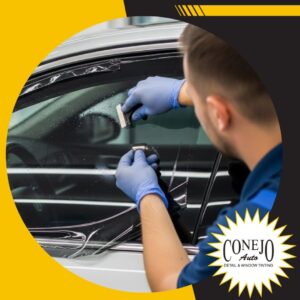
Anyone who has driven through Camarillo on a bright afternoon knows why window tint is popular here: it softens glare, helps keep interiors comfortable, and preserves the look of your vehicle over time. But alongside those practical benefits comes a set of rules every driver should understand. California law outlines how dark and how reflective window tint can be, what is allowed on the windshield, and when additional mirrors are required. Because enforcement can vary by region and even by officer, working with a local professional who knows how these rules are applied around Ventura County is the surest way to stay compliant.
If you are evaluating film options and want to ground your choices in what is acceptable on Camarillo streets, it helps to start with a clear overview and then pair that knowledge with examples of compliant, professional window tinting. That combination ensures you do not just pick a shade you like; you pick a setup you can confidently drive every day.
Understanding the spirit of California’s tint regulations
The state’s rules are written to balance driver comfort with safety and visibility—for you, your passengers, and everyone around you. The core ideas are straightforward: keep the windshield mostly clear, keep the front side windows very transparent, and allow more privacy and shading toward the rear of the vehicle. Reflectivity is limited so cars do not emit mirror-like glare, and certain colors are restricted to avoid confusion with emergency or specialty vehicles.
Windshield rules and the “eyebrow” strip
California generally permits a non-reflective band along the top portion of the windshield. This strip, often called an eyebrow, helps cut low-angle glare without intruding on your primary field of vision. The exact placement depends on the glass markings and guidelines your installer will reference. Around Camarillo, this band is especially helpful during dawn and dusk, when the sun sits at a challenging angle as you head over the grade or across open stretches toward the coast.
Front side windows: staying very light
The front side windows are where many drivers have questions. California requires these to remain very light—allowing most visible light to pass through. In practical terms, that means you cannot dramatically darken the front doors the way you might the rear. Some drivers choose a nearly clear film that blocks UV and heat without changing the look much from the outside. A local installer will walk you through options that preserve visibility, keep you comfortable, and avoid issues if you are pulled over.
Rear side and back windows: more flexibility
Toward the back of the vehicle, the rules are more flexible. You can select a darker shade for rear passenger windows and the rear glass, which helps with privacy and heat reduction, especially if you often park outdoors near the Camarillo Premium Outlets or spend long afternoons at youth sports fields. If you go dark in the rear, you will need to ensure your side mirrors provide appropriate visibility—your installer will review the mirror requirement with you and confirm your setup is legal.
Reflectivity and color restrictions
California places limits on how reflective automotive film can be. This keeps roads safer by preventing mirror-like glare and avoids the kind of bright, metallic look that can distract other drivers. Films come in a range of tones, and your installer will steer you away from shades or finishes that run afoul of the rules. Certain colors are also restricted to prevent confusion with emergency vehicles and to maintain a uniform appearance across the state’s roadways.
Medical considerations and documentation
Some drivers have medical needs that make additional UV or light control important. California provides pathways for such cases, but documentation and specific guidelines apply. If you believe this applies to you, a conversation with your healthcare provider and your installer can clarify what is appropriate and how to remain compliant if you choose an atypical setup.
Working with a local expert in Camarillo
Because enforcement can vary, guidance from a local professional is invaluable. Installers who work in Camarillo every day understand both the letter of the law and the practical expectations drivers encounter on our roads. They will discuss shade ranges that meet the spirit of the rules, how to achieve a clean, factory-like look on the front doors, and how to create a cohesive appearance toward the rear without compromising visibility. They will also advise on placement of any windshield tint band and ensure your vehicle retains appropriate mirror coverage if you choose darker rear glass.
Why clarity matters as much as shade
Legal compliance is not just about percentages—it is about safe, clear driving. Films with excellent optical quality maintain color accuracy and contrast, which helps at night on less-lit roads around Somis and during dawn and dusk when light is most challenging along Lewis Road. A high-quality, legally compliant setup not only satisfies regulations; it also makes every drive feel more controlled and restful.
Maintenance, inspections, and peace of mind
Once your tint is installed, basic care preserves that fresh, legal look. Your installer will outline how to clean the glass, how long to wait before rolling windows down after installation, and what is normal to see during the early curing phase. If you ever have a question about compliance—perhaps after a route change or a new job with different parking—you can stop by your local shop for a quick check. That ongoing support is part of the value of working with people who know Camarillo’s roads and expectations.
Frequently asked questions
Q: Can I tint the entire windshield?
A: No. California allows a non-reflective band near the top of the windshield. The main viewing area must remain clear to maintain visibility and safety.
Q: How dark can my front side windows be?
A: The front side windows must remain very light. Many drivers choose an almost clear film that blocks UV and reduces heat without significantly changing the appearance.
Q: Are darker tints allowed on the rear windows?
A: Yes, you have more flexibility on the rear side and back windows. If you go darker, make sure your side mirrors provide sufficient rearward visibility.
Q: Are mirrored or highly reflective films legal?
A: California limits reflectivity to prevent glare and distraction. Your installer will help you choose a film with a tasteful, compliant finish.
Q: How can I be sure my setup is compliant in Camarillo?
A: Work with a local professional who understands state rules and local enforcement. They will guide shade choices, windshield band placement, and mirror requirements for a trouble-free result.
If you are ready to choose a compliant, comfortable tint that looks as good as it performs, consult with a local specialist who knows Camarillo’s roads and expectations. For clear guidance, examples, and to plan your appointment, explore professional options for car window tinting and drive with confidence every day.