Spend a few days driving around Camarillo and you quickly learn how much the sun shapes your routine. The light is bright, the skies are generous, and the 101 seems to glow from midmorning to late afternoon. That beauty is a gift—until you find yourself squinting at glare bouncing off the dash on Las Posas Road, or feeling the heat radiate through your side windows while you crawl toward the boulevard. That is the moment you appreciate what a properly installed ceramic tint can do. When locals ask where to begin, I point them toward a trusted window tinting service that understands our Ventura County climate and the mix of coastal haze and inland heat that makes Camarillo unique.
For drivers who keep their vehicles immaculate and want comfort without compromise, ceramic films are the clear leader. They are designed to reject heat at a molecular level, targeting the sun’s infrared energy—the part you feel as warmth—while preserving visibility and style. If you commute south toward Thousand Oaks or turn west toward Oxnard and the coast, you know how the light changes with every mile. Ceramic tint smooths those transitions. Colors on the road stay true, the edges of the hills look crisper, and the cabin remains noticeably calmer. There’s a reason you see more late-model sedans and SUVs around Old Town sporting that telltale, rich-but-not-too-dark look: it works, and it wears beautifully over time.
Why Ceramic Films Outperform Dyed and Metallic Options
Most people start by asking, what makes ceramic so different? Unlike dyed films, which rely on absorbing energy and inevitably heat up, or metallic films, which can interfere with signals and create a slightly reflective finish, ceramic films use non-metallic nanoparticles that scatter and dissipate infrared radiation. In day-to-day Camarillo driving, that means the glass stays cooler, the steering wheel is less punishing on a July afternoon, and your AC does not have to fight as hard when you pull out of the Camarillo Outlets parking structure into direct sun. The film’s clarity also remains consistent, so you avoid the hazy or purplish yesteryear tint look that never suits a modern vehicle.
Another advantage is their durability. Our valley gets those dry Santa Ana winds that kick up dust and debris, and we also live with coastal moisture that creeps inland most mornings. Ceramic films are engineered to handle both extremes—resisting fading from UV exposure and maintaining their adhesive bond in fluctuating humidity. That long, stable life is especially valuable if you plan to keep your car for many years or you own something special that deserves a finish worthy of its paint and interior.
Local Conditions: Camarillo Sun, Marine Layer, and Year-Round Use
People outside Ventura County sometimes assume the marine layer keeps us cool all year, but residents know the story is more nuanced. We wake to soft, diffused light and a pleasant chill, only to get firm, direct sunshine by late morning. That switch is exactly where ceramic films shine. They reduce the spike of heat that hits the cabin once the fog burns off, and they cut the glare that makes early drives east on the 101 a chore. In late afternoon, when you angle into the sun heading home along Santa Rosa Road or Daily Drive, you can keep your eyes relaxed without reaching for sunglasses every few minutes.
Parents love that difference, especially if they have kids in the back seats. Even in mild weather, children can feel the sun’s intensity on their skin through clear glass. With ceramic tint, you minimize that harshness without turning the rear windows into a dark cave. Pets benefit as well; if you take your dog to the foothills trails or out toward Point Mugu, you can settle into a more even cabin temperature from start to finish.
Clarity, Color, and Maintaining Nighttime Confidence
The biggest concern I hear is, “Will it be too dark at night?” Ceramic films are available in a range of visible light transmission levels, and an experienced installer will help you choose a legal shade that complements your car and your driving style. The magic is that even lighter ceramic films provide serious heat rejection. So if you prefer to keep your side glass relatively clear for night driving on rural stretches of Pleasant Valley Road, you can still enjoy the comfort benefits without sacrificing visibility. The right match preserves your confidence on foggy mornings and in those dusky minutes when the sun has just dipped behind the ridgeline.
On the aesthetic side, ceramic films tend to have a neutral tone. They do not skew blue or bronze, and they avoid the mirror-like sheen of metallic tints. That makes them a great fit for most factory paint colors, from understated silvers and whites to deeper blues and blacks. On classic vehicles and luxury trims, that neutral hue reads as sophisticated and intentional—never too loud or aftermarket.
The Installation Experience Matters
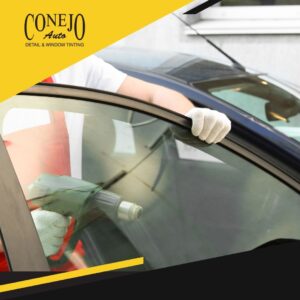
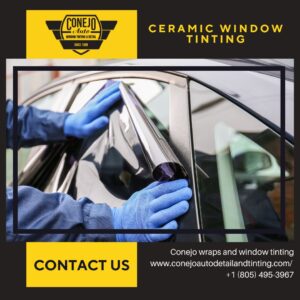
Ask any local who has owned multiple tinted vehicles and you will hear the same thing: the material matters, but the installation is everything. The best shops in and around Camarillo have a measured process that starts with a careful inspection of your glass and seals, because even tiny contamination can show up as specks beneath a high-clarity ceramic film. A steady, clean workspace, meticulous surface prep, and custom patterns cut to your specific vehicle make all the difference in the finished look. Attention to the edges—how far the film extends, how it wraps, and how it is tucked—determines whether your tint looks integrated like factory glass or added on afterthought.
I also recommend asking about curing expectations and aftercare. Ceramic film will look excellent as soon as it is installed, but it does continue to settle as moisture evaporates from the adhesive. In our climate, that happens reasonably quickly. The shop should walk you through how soon you can roll your windows down, what to use for cleaning, and what to expect if you see a light haze that clears in the first days. The customer service you receive at this stage often predicts how the tint will look years later—precise guidance yields a perfect finish.
Legal Considerations in California
Any conversation about tint has to include state law, and California is strict about front side windows. Reputable installers will steer you toward compliant options that still deliver the ceramic benefits you want. The goal is to balance heat rejection and privacy with clear, safe visibility for you and for law enforcement. You will also discuss windshield strips for glare reduction, which can make sunrise and sunset drives safer when the sun sits low over the 101. A local team deals with these guidelines every day and can help you pick the combination that looks clean and lives comfortably within the rules.
In the middle of your research, it is worth reconnecting with a dedicated window tinting service that can demonstrate film samples on actual glass. Holding a sample up to the window or stepping outside with a board to see it against real sunlight is more informative than any brochure. Your eyes instantly register how glare disappears and how interior tones remain true, particularly in vehicles with lighter leather or textured dashboards.
Protecting Your Interior and Your Technology
The sun here is generous to a fault, and UV damage adds up quickly. Ceramic films block the vast majority of UV rays, which means your seats, stitching, and dash plastics retain their color and integrity. That is not just about looks; it is about preserving value and avoiding the brittleness that can lead to creaks and rattles over time. If you have a vehicle loaded with screens—digital clusters, head-up displays, glossy infotainment panels—ceramic tint helps keep those surfaces cooler and reduces the distracting reflections that can bounce off the glass and into your eyes.
There is also a certain peace that comes with driving a cooler car. When you leave a midday appointment near Old Town or park for lunch along Arneill Road, you can return to a cabin that does not feel punishing. Your AC ramps up more gently, fans run at lower speeds, and the entire system sees less stress. Over the long term, that can contribute to fewer squeaks from vents and a quieter cabin that reflects how carefully you maintain the car.
Choosing the Right Shade and Film Series
Within the ceramic category, you will find multiple series and shade percentages. The conversation with your installer should explore two main variables: how you use the car, and where you park. A commuter who leaves the vehicle outdoors all day near the industrial parks off Mission Oaks might prioritize maximum heat rejection on the rear half of the car, while keeping front side windows at a compliant, lighter level. Someone who garages the car at home and work might opt for a slightly lighter overall setup for a more open feel. There is no single correct answer—only the right balance for your daily life in Camarillo.
It is also worth considering how the tint interacts with your rearview camera and parking sensors at night. Ceramic’s clarity helps maintain accurate imaging through the rear glass, which matters in tight lots and along narrow residential streets. If you drive a larger SUV, that clarity can be the difference between a comfortable reverse maneuver and second-guessing what you see on screen.
Care, Cleaning, and Long-Term Confidence
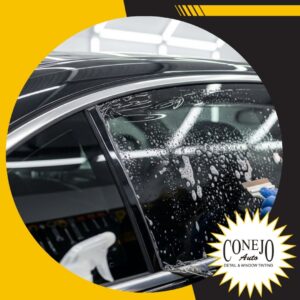
Maintenance is straightforward, and that is part of the appeal. A mild, ammonia-free cleaner and a soft microfiber towel are all you need. Avoid aggressive edges around the first week while the film cures, and keep an eye on window seals if your vehicle is older; a simple silicone-safe conditioner can keep them supple and help the glass glide without catching. Over the years, you will appreciate that ceramic films hold their tone and resist the waviness that sometimes appears in lower-grade materials.
When friends ride with you through Lewis Road or out to Somis for produce, the comments tend to come quickly: it feels cooler, it looks clean, and there is less glare on phones and tablets. Those small wins add up. A well-tinted car is simply more pleasant to spend time in, whether you are heading to work, taking the kids to practice, or stealing a late-day drive to catch the sky turning amber over the fields.
Frequently Asked Questions
Is ceramic tint legal on my front windows in California?
California has specific limits on how dark you can go on front side windows. A reputable shop will explain the current regulations and show you compliant options that still deliver excellent heat rejection. Many drivers choose a lighter ceramic on the front sides and a darker, legal shade on the rear for a balanced, cohesive look.
How long does ceramic tint take to cure in Camarillo’s climate?
With our typical temperatures and low-to-moderate humidity, most installations look settled within a few days. Any slight haze or small water pockets under the film usually dissipate as the adhesive cures. Your installer will advise when it is safe to roll the windows down—often after a short waiting period to protect the edges.
Will ceramic tint interfere with my phone, GPS, or toll transponder?
No. Non-metallic ceramic films are designed not to disrupt modern electronics, so you should not experience signal loss. This is one of the key advantages over older metallic tints, which could reflect or attenuate signals.
Can I match a factory-tinted rear window with ceramic film on the front?
Yes. Installers routinely blend a compliant shade on the front side windows with a rear factory tint, using ceramic film to harmonize color and performance. The result is a uniform appearance from front to back while maintaining legal visibility where it matters.
What is the best way to clean tinted windows?
Use a gentle, ammonia-free glass cleaner and a clean microfiber towel. Avoid abrasive pads or sharp tools near the edges. After the first week, regular care is as easy as wiping away dust and fingerprints; ceramic’s smooth surface makes cleaning quick and streak-free.
When you are ready to enjoy a cooler cabin, truer color, and that calm Camarillo drive from morning to sunset, connect with a trusted local team through a proven window tinting service. Tell them how and where you drive, ask to see real film samples in sunlight, and step into a finish that looks refined on day one and feels just as good years from now.