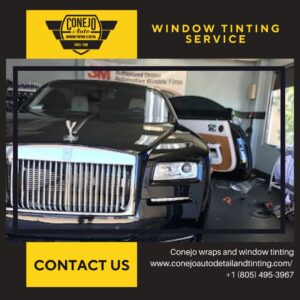
There is a certain satisfaction in driving through Camarillo with a cabin that feels calm no matter how bright the day gets. The road opens toward the foothills, the breeze crosses the fields, and the light that defines our city becomes a welcome companion instead of a challenge. That kind of experience does not happen by accident; it comes from materials that work and installers who practice their craft with care. When you choose a professional window tinting service, you are investing in both. The film’s technology sets the stage, and the installer’s hands bring it to life. For many drivers and homeowners in Ventura County, the search starts close to home with a trusted local window tinting service that understands our climate, our roads, and the light that pours over them.
Professionalism in tinting is not a slogan; it is a rhythm you can feel from the first call. It is the way a consultation begins with questions about how you live and drive, not just what shade you like. It is the patience of testing samples on your glass at different times of day, letting real sunlight make the case. It is the transparency about California regulations and the insistence on a setup that will pass a glance from any officer while delivering the comfort you want. And it is the shop environment: clean bays, filtered air, measured patterns, and installers who treat your vehicle or home with the same focus they would give their own.
What Sets Professional Installers Apart
A true professional approaches glass as a material with memory and personality. Preparation becomes a craft in itself—washing, flushing seals, and decontaminating surfaces so adhesives bond to a pristine canvas. Patterning respects each vehicle’s curves or each home’s window profiles, trimming to fine margins that disappear under weatherstripping. Heat shaping is done with an eye toward how film relaxes, not just how it bends, which is how you get a back glass that looks like the film grew there. The squeegee work is patient and thorough, moving moisture out without stretching film or leaving micro-channels that turn into dust tracks later.
In residential settings, professionalism shows up in the quiet details. Drop cloths protect floors, edge guards keep trim clean, and installers coordinate around family rhythms so a kitchen or office remains usable. For commercial projects, it is the ability to stage work in zones and maintain safe, tidy pathways for staff and customers. These are the differences you remember not because they are flashy, but because they make the project feel effortless from your side.
Local Knowledge, Better Outcomes
Working with a team rooted in Camarillo brings a specific kind of confidence. They know how the marine layer rolls off the Pacific and burns away by mid-morning, how the sun rakes across the 101 corridor in late afternoon, and how fog can soften dawn along Lewis Road. That knowledge informs recommendations: a ceramic film that stays neutral and clear for front windows, a deeper shade on the rear that keeps kids comfortable on the way back from the Outlets, or a dual-reflective architectural film that gives your living room daytime privacy without robbing it of its glow.
Local installers also know the small variables that matter—how dust moves through a shop with afternoon winds, which models have delicate defroster lines, or which residential window frames collect debris in tricky corners. They account for those variables before a blade ever touches a liner. That is how you get results that look as calm in six months as they do the day you leave the shop.
Materials Matter: Choosing the Right Film
The modern film landscape offers genuine choices. Ceramic automotive films target infrared heat without relying on metal, keeping cabins cool while preserving signal clarity. For homes, spectrally selective options bring in daylight while cutting UV and excess heat, and privacy films gently manage views without pushing rooms toward darkness. In commercial settings, low-reflectivity films maintain storefront visibility and professional interiors, while decorative frosts define spaces with a clean, branded look.
Professionals do not force one solution into every scenario. They listen to how you use your vehicle or space and pair those needs with the film family that fits. If glare on a windshield at sunset is your daily frustration, they lean toward low-haze, high-clarity ceramics. If you have a living room that faces west and heats up by mid-afternoon, they show you a neutral architectural film that keeps colors true. The match is as important as the install because a perfect install of the wrong film still leaves you living with compromise.
Regulations, Safety, and Real-World Visibility
California’s tint laws are an essential part of a professional conversation. A good installer explains the boundaries clearly for front side windows and windshields, offers high-performance solutions that respect those limits, and crafts a cohesive look across the vehicle. For homes, they consider glass type and orientation to avoid thermal stress and coordinate with HOA guidelines when applicable. The result is a project that not only looks right but is right—legal, safe, and tuned to your daily life in Camarillo’s shifting light.
Visibility is not just legal; it is practical. The films you choose should make dusk drives on Adolfo Road easier, not harder, and should keep your living room readable when fog is lifting off the fields. Professionals put clarity at the center of recommendations, ensuring you do not trade one annoyance for another. When you can forget about your windows and simply enjoy the space, you know the choices were sound.
Process and Aftercare
From the moment you schedule, a professional process respects your time. You will receive a clear plan for drop-off or on-site work, an explanation of how long the project will take, and guidance on what to move or prepare. During installation, communication stays steady, with updates as milestones are reached. When work is complete, you leave with practical aftercare instructions: keep windows up during early curing, clean with non-ammonia solutions, and expect a faint haze that disappears as moisture evaporates. If a question arises, you know exactly whom to call and where to go, and that invitation to follow up is genuine rather than perfunctory.
That aftercare extends to long-term support. Professional shops stand behind their work, check in if you have concerns, and offer adjustments when appropriate. Over time, that relationship feels less like a transaction and more like a resource. When it is time to tint a second vehicle, add privacy film to a new bedroom, or refresh a storefront, you return because the experience was easy and the results were consistent.
Seeing Is Believing: Evaluate in Real Light
One of the most effective parts of a professional consultation is stepping outside to view film on actual glass. In Camarillo, that means watching how a film behaves when the sky shifts from morning haze to midday clarity, and again when the sun leans low toward the foothills. Samples in a showroom say only so much; the street tells the rest of the story. Evaluate how a film reads against your paint color or your home’s stucco and trim. Look for how it handles reflections from neighboring roofs. Professionals bring the conversation into your actual context so that your choice is informed and confident.
Customers often describe a small moment when the right choice becomes obvious. Maybe it happens when you sit in a car with ceramic tint and realize how calm the wheel feels under your hands, or when you stand in your living room and see that the view stays crisp while the sidewalk feels a step farther away. Those are the moments professionals try to create because they trust the light to prove the point.
When Craft Meets Courtesy
Technical skill is non-negotiable, but the way a team treats you matters just as much. Courtesy shows up in honest timelines, in clean floors after a long day of installation, and in the willingness to answer questions without jargon. In a small city like ours, reputation travels. Shops that do right by people see those people return and send their neighbors. It creates a circle of trust that benefits everyone—from the teenager getting a first car tinted to the business owner refining a storefront on Ventura Boulevard.
Why Invest Now
The benefits of quality tint stack quietly but persistently. Heat relief makes every summer drive less taxing. UV protection slows the aging of interiors and the fading of home finishes. Glare reduction keeps eyes relaxed during late-day commutes and weekend coastal runs. Privacy restores ease in rooms that felt exposed. Efficiency gains, though modest per hour, add up over seasons as climate systems work less aggressively. These are not abstract perks; they are the texture of daily life made smoother.
Frequently Asked Questions About Professional Tinting
How long does a typical vehicle installation take? Most cars are completed in a few hours, with larger vehicles requiring additional time, especially if old film needs removal. Installers build in curing time so you leave with clear expectations and guidance for the first few days.
Will tint make my home or car feel too dark?
Not when chosen and installed thoughtfully. Modern films, especially ceramics and spectrally selective options, prioritize performance without heavy tinting. You can maintain bright spaces and clear views while cutting heat, UV, and glare substantially.
Do ceramic films interfere with my electronics?
No. Ceramic films are non-metallic and designed to be signal-friendly for GPS, smartphones, and toll transponders. If you have specific equipment, you can test it in a vehicle with the film to confirm performance.
How do I maintain tinted windows?
Use non-ammonia cleaners and soft microfiber cloths, and avoid abrasive tools. Allow new installations to cure before rolling windows down or cleaning. With basic care, films remain clear and stable for years in Camarillo’s mild climate.
Are there legal limits I should know about?
Yes, California regulates tint on front side windows and windshields. A professional will guide you to compliant options that still deliver meaningful heat and UV reduction. Rear windows allow darker shades, which can be helpful for passengers and cargo privacy.
Can old tint be removed safely?
Yes. Professionals use heat and steam to lift film and adhesive while protecting defroster lines and glass. Starting with clean glass ensures the new film performs as intended and looks flawless.
If you are ready to partner with a team that treats light as a material and your comfort as a priority, schedule a consult and see what is possible. A reputable window tinting service will match you with the right film for your car, home, or business and deliver an installation that looks seamless from day one and stays that way long after.