If you live in Camarillo, you know the rhythm of our days by the light. Mornings often begin with a soft marine layer over the hills, and by midday the sun can blaze down across Pleasant Valley, reflecting off windshields and storefront glass with a force that makes you squint. It is precisely because of this beautiful but intense light that choosing a trusted window tinting service near you matters more than it might in other places. When you drive along the 101 past Camarillo Springs, visit friends in Mission Oaks, or relax at a backyard barbecue off Santa Rosa Road, the right film on your vehicle or home windows changes the experience in subtle, daily ways that add up to lasting comfort and protection.
Trust in window tinting is about more than a clean shop or a friendly greeting, though both certainly help. It’s about craftsmanship you can measure on a bright afternoon, in the way glare softens without dulling detail, and in how your eyes feel less fatigued after a drive down Arneill Road. It shows up months later when your interior still looks fresh, and years later when the film hasn’t peeled, faded, or turned purple. In Camarillo, those details matter because the local climate mixes sun, wind, and coastal moisture in a way that puts glass and film through their paces. The right installer understands that blend and chooses films and techniques that stand up to it gracefully.
Why local expertise matters in Camarillo
Our microclimate is a complicated partner. The cool mornings make you feel like tinting is optional; by mid-afternoon the glare from west-facing windows tells another story. Santa Ana winds seasonally drive dry, hot air across the valley, pushing interior temperatures up in both homes and cars, and intensifying ultraviolet exposure. A local expert notices these patterns and tailors recommendations accordingly, whether that means a spectrally selective ceramic film for a commuter who parks outside near Old Town, or a subtle neutral film for a home in Las Posas Estates that wants privacy without sacrificing views of the hills.
When people ask for a “trusted window tinting service near me,” what they often mean is confidence. Confidence that the installer will listen to how you use your vehicle, that they will explain the differences between dyed, metallic, and ceramic films without pressuring you, and that they will stand behind the work long after the curing period ends. Confidence also means careful surface prep, dust control suited to Ventura County’s breezes, and precision cutting that respects modern automotive sensors and tight home window clearances. These are not extras; they are the foundation of work you forget about in the best possible way because it simply looks and feels right.
The benefits you can feel every day
On the road, the benefits of well-chosen tint start with comfort. Reduced heat soak makes the first minutes after you slide behind the wheel less punishing, and a cooler cabin lets your AC keep pace without blasting. Glare reduction makes the afternoon drive down Las Posas Road less tiring, and the subtle shading preserves detail and color accuracy so street signs, lane markers, and brake lights remain crisp. Ultraviolet protection works quietly in the background, shielding your skin and helping your dash, seats, and trim resist fading and cracking, which is especially valuable in vehicles with leather or richly colored fabrics.
At home, tinting does something almost magical with light. It can soften afternoon brightness in living rooms that soak up sun from the west, making screen time more pleasant and reading easier on the eyes. It can protect hardwood floors and area rugs from uneven discoloration, and it can add daytime privacy that keeps your spaces feeling calm without turning them cave-like. For kitchens oriented toward sunset, the right film can tame a harsh wash of light so the room stays inviting. In bedrooms, a balanced film can help keep early evening heat at bay, so the space settles into a comfortable temperature without waiting until midnight for relief.
Navigating California tint laws with nuance
California regulations on automotive tint are fairly specific, and a trusted installer in Camarillo will guide you through them clearly. Front side windows must remain more transparent than rear windows, and windshields have their own limits, usually focusing on a narrow eyebrow strip at the top. Those legal boundaries still leave room for genuine improvement. Skilled installers help you choose a film that feels effective while remaining compliant, and they can explain how different levels of visible light transmission affect both day and night driving. Knowing the local enforcement climate and installing tint that looks professional and unobtrusive also matters more than people realize; tasteful, well-executed film tends to draw less attention while delivering the comfort and protection you want.
The conversation around legal limits also dovetails with safety at night. Quality films, especially modern ceramics, maintain clarity after sunset, so your evening drives across town or down to the coast remain comfortable. Proper installation ensures you’re not straining to see through distortion at intersections or in rain. This is where craftsmanship earns its keep—clean glass prep, accurate squeegee work, and correct curing prevent haze and micro-bubbles that would otherwise catch light from street lamps and headlights.
What “trusted” looks like in practice
Beyond certifications and warranties, trust reveals itself in process. A good shop begins with questions: where do you park, how far do you commute, do you have sensitive eyes, do you carry kids or pets who sit by the rear glass, what interior materials do you want to protect? They’ll follow with a measured demonstration of heat rejection and glare control, not a sales pitch, so you can feel differences rather than guess. They will note your concerns about defroster lines, third brake lights, or frameless windows and explain how they approach those details so you understand the plan before any film touches glass.
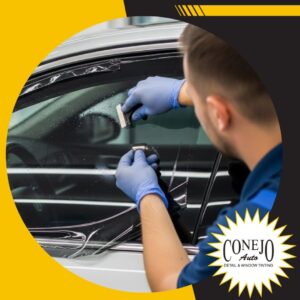
Installation should feel deliberate. You’ll see careful masking to protect trim, meticulous cleaning, and film patterns fit with a precision that aligns edges evenly. In a town where coastal dust can drift in, shop conditions matter: controlled airflow and disciplined technique keep debris out from under the film. The result is glass that looks factory-fresh, with clean borders around sensors and weather stripping and no distortion that pops out on bright days. After you leave, follow-up guidance should be specific to our climate, from how long to wait before rolling windows down to what to expect during the curing period as the marine layer gives way to afternoon heat.
Choosing the right film for your needs
Not all films are equal, and the conversation around film type is part of what earns a shop your trust. Dyed films tint the visible spectrum and offer a certain classic look, but they do less against infrared heat and can color-shift over time if quality is lacking. Metallic films amp up heat rejection but may create interference with antennas or modern connectivity features. Modern ceramic films, by contrast, deliver high infrared rejection and stable clarity without signal issues, making them a favorite for many drivers and homeowners in Camarillo. A good installer will show you each option in daylight and allow you to compare on your own terms, explaining where subtle differences really matter in daily life.
When you add it all up—the climate, the roads, the architecture, and the way we live here—the argument for a trusted partner becomes self-evident. That’s why, when friends ask where to go, locals often point to a specialist rather than a generalist. They want a team that does this work every day, that invests in the right plotters and clean rooms, and that treats each pane of glass as an opportunity to improve your routine. It’s also why choosing a professional window tinting service tends to deliver better outcomes than do-it-yourself kits; the difference is visible in the finish, and palpable in how your spaces feel long after the novelty fades.
Life in Camarillo with better glass
Imagine a midday drive eastbound on the 101 as the sun arcs high over the fields. With quality tint, you ease into the flow without squinting, your steering wheel cooler to the touch, and your eyes relaxed. Later, you arrive home to a living room that is bright yet calm, where the view of the hills out the back still looks natural but the glare no longer jumps off the coffee table. Small upgrades, yes, but consistent ones that change how you experience your day. That is the essence of high-quality tint—enhancing comfort without calling attention to itself.
For those who spend weekends between errands on Arneill, practices at Freedom Park, and dinners near Old Town, the benefit compounds. The car remains comfortable for passengers, and the cabin looks better month after month. If you work from home, afternoon Zoom calls stop competing with the sun blasting your monitor. In a place where outdoor living blends seamlessly with indoor spaces, controlling the quality of light makes rooms feel more intentional, and homes more livable without heavy drapes or closed shutters. Residents often tell me they wish they had done it sooner, not because it’s flashy, but because it quietly improves routines.
Care, maintenance, and long-term value
After installation, the first days are about patience. Our climate means mornings can feel cool and damp while afternoons warm up fast, so films cure steadily but predictably. You might see a bit of temporary haze as moisture evaporates through the film; this is normal and fades as the film settles. Cleaning practices should be gentle. A soft microfiber and a mild, ammonia-free glass cleaner are all you need. Avoid scraping tools or abrasive pads, especially along edges and dot-matrix areas, and let the film fully cure before rolling windows down or applying pressure with squeegees.
As months pass, you should notice consistency, not change. Colors stay true, clarity remains stable, and edges look neat. The biggest compliment I hear is that people forget the tint is there—until they sit in a similar car or stand in a sunny room without it, and then the difference jumps out. That quiet reliability is what you’re buying from a trusted shop, alongside a straightforward warranty and a team that can advise you if your needs evolve, whether that’s adding a sunroof panel later or tinting a newly renovated room with clerestory windows.
Stories from around town
One family off Ponderosa told me their living room transformed from a place they avoided in the late afternoon to the spot where everyone gathers after school. A commuter who parks near Carmen Drive said his car no longer feels like a toaster at 4 p.m., and that his evening eyestrain has dropped dramatically. A local boutique with big west-facing windows found the film kept their displays looking new while keeping the shop’s welcoming vibe. None of these stories are unusual; they’re the norm when film is chosen thoughtfully and installed with care. They remind us that trust is earned panel by panel, with every clean edge and each conversation that leads to the right solution.
Frequently Asked Questions
How long does automotive window tint installation usually take?
Most cars can be completed in a few hours, though timing varies with vehicle size, window complexity, and film choice. A thoughtful installer will confirm your schedule up front and communicate if additional time is needed for features like intricate rear glass or added sunroof panels. Planning for a smooth drop-off and pick-up window ensures you are not rushed, and your film receives the careful curing it needs before you head back onto Las Posas or the 101.
Will tint make my car too dark at night?
Properly selected films preserve visibility after sunset. If night driving comfort is a priority, your installer will guide you toward shades and technologies that maintain clarity, often recommending modern ceramic films that reject heat without over-darkening. You will still notice reduced glare from oncoming headlights, which many drivers find less fatiguing on evening trips across town.
Can you help me stay within California tint laws?
Yes. A trusted shop in Camarillo will explain California’s limits in plain language and help you choose a combination that provides comfort and UV protection while remaining compliant. They will also install the work in a way that looks professional and unobtrusive, which tends to draw less attention and complements your vehicle’s design rather than overpowering it.
Do home window films really protect interiors from fading?
Absolutely. Modern films block the majority of UV, which is a major contributor to fading in wood floors, textiles, art, and upholstery. By filtering specific wavelengths and taming glare, films help materials age more gracefully. While nothing stops all fading over time, high-quality films significantly slow the process, which homeowners notice as colors and finishes remain truer for longer.
What is the curing period like in Camarillo’s climate?
Curing depends on temperature and humidity, both of which fluctuate here with the marine layer and afternoon warmth. Expect initial haze or tiny moisture pockets that clear as the film settles. Your installer will provide specific guidance about rolling down windows, cleaning, and what to expect in the first days so you can let the film set without worry.
Will tint interfere with signals or sensors?
Most modern ceramic films are designed to be signal-friendly, avoiding the interference sometimes associated with metallic films. If you have specific connectivity needs or vehicle sensors near glass, a knowledgeable installer will recommend technologies that preserve performance, from toll transponders to embedded antennas and driver-assist cameras.
Is tint removable if my needs change?
Quality film can be professionally removed without damaging glass, and reputable shops handle removals with the same care as installations. If you sell your vehicle or renovate a room and want a different balance of privacy and light, your installer can advise the best path forward and ensure the glass remains in great condition.
How should I clean tinted windows?
Use a soft microfiber towel and a gentle, ammonia-free cleaner. Skip abrasive pads, razors, or harsh chemicals, especially near edges and around defroster lines. Light, consistent cleaning keeps the film looking new and the view crisp, whether you are driving down Central Avenue or enjoying sunset through your patio doors.
Call to Action
If you are ready to see and feel the difference that expert tinting makes in Camarillo, this is the moment to act. Reach out to a local specialist who will listen carefully, recommend thoughtfully, and install with the kind of precision that disappears into your day. Schedule your appointment with a respected window tinting service and enjoy cooler drives, calmer rooms, and light that truly suits the way you live.