When it comes to upgrading your vehicle, few enhancements combine style, comfort, and protection as effectively as auto glass tinting. Whether you want to keep your car cool, shield your interior from sun damage, or add a touch of sophistication, tinting your windows offers multiple benefits. But with so many tint options on the market — from ceramic to metallic — choosing the right one can feel overwhelming. This complete guide will help you understand how auto glass tinting works, what types are available, and how to select the best tint for your needs and lifestyle.
Understanding Auto Glass Tinting
At its core, auto glass tinting involves applying a thin, transparent film to your vehicle’s windows. This film serves several purposes: blocking ultraviolet (UV) rays, reducing glare, regulating temperature, and enhancing privacy.
High-quality tinting can block up to 99% of harmful UV radiation and 60% of solar heat, creating a cooler, safer, and more energy-efficient driving experience. Not only does this protect your skin and eyes, but it also helps preserve your vehicle’s interior from fading, cracking, or discoloration caused by prolonged sun exposure.
Tinting also provides added safety: in the event of an accident, the film helps hold shattered glass together, minimizing the risk of injury from flying shards.
Types of Auto Glass Tinting Films
When choosing a tint, understanding the different film types is essential. Each has its unique composition, appearance, and performance level.
1. Dyed Window Tint
This is the most affordable and common option. It uses a dye layer that absorbs sunlight and reduces glare. While it offers good aesthetics and privacy, it doesn’t block as much heat or UV radiation as premium films. Dyed tints also tend to fade over time.
2. Metalized Window Tint
Metalized films contain tiny metallic particles that reflect sunlight and heat. They provide excellent durability and glare reduction. However, the reflective finish can interfere with radio, GPS, or cellphone signals — something to consider if you rely heavily on in-car connectivity.
3. Carbon Window Tint
Carbon films are known for their matte finish and excellent UV protection. They don’t contain metal, so they won’t interfere with electronics. Carbon tints also have great insulating properties, keeping your vehicle cooler while maintaining color stability for years.
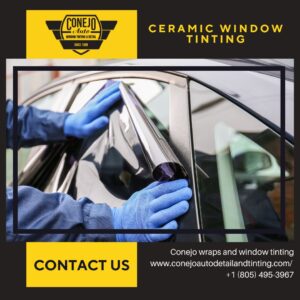
4. Ceramic Window Tint
Ceramic tinting represents the pinnacle of auto glass tinting technology. Made with non-metallic, nano-ceramic particles, these films offer superior heat rejection, UV protection, and glare control without affecting visibility or signal reception. They are more expensive but provide the best overall performance and longevity.
Factors to Consider When Choosing the Right Tint
Before deciding which auto glass tinting option is right for you, consider the following factors:
1. Local Tinting Laws
Each state has regulations that specify how dark your window tint can be, measured by Visible Light Transmission (VLT). Make sure your tint choice complies with these laws to avoid fines or inspection issues.
2. Heat and Sun Exposure
If you live in a hot or sunny climate, investing in ceramic or carbon tints may be worthwhile for maximum heat rejection. These options offer better temperature control and long-term comfort.
3. Budget and Longevity
While dyed tints are cheaper upfront, premium films last much longer and offer better protection. Consider tinting as a long-term investment — one that enhances both your driving experience and your vehicle’s resale value.
4. Aesthetic Preferences
Tint shades range from nearly transparent to very dark. A professional installer can help you find the right balance between style, privacy, and legal limits.
Professional Installation Matters
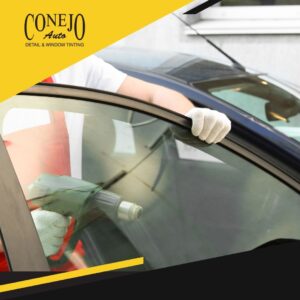
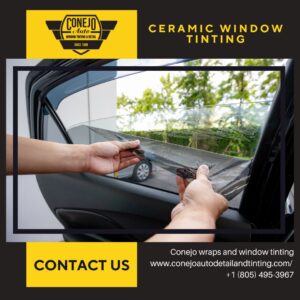
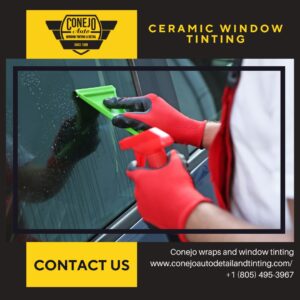
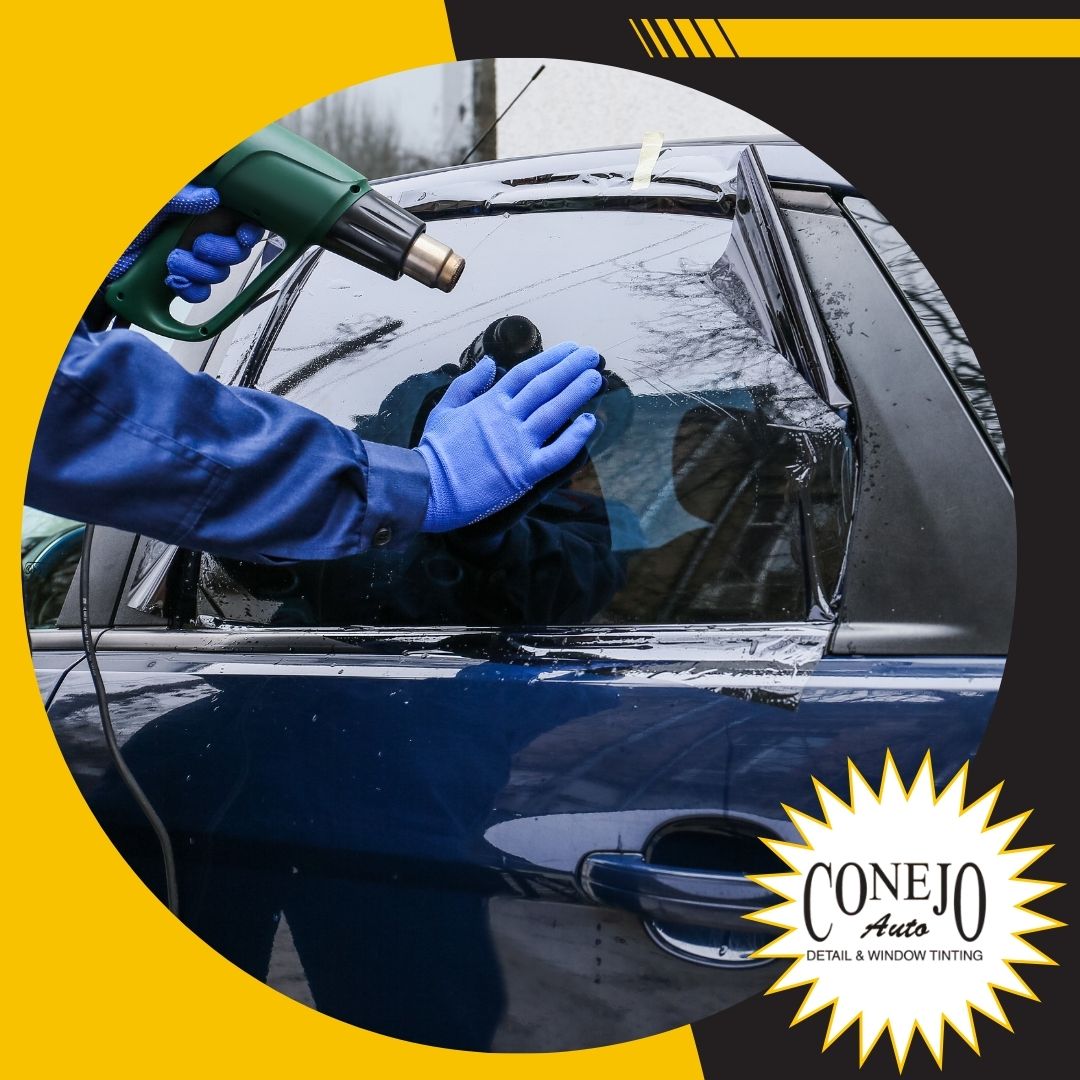
Even the best tint film can perform poorly if installed incorrectly. That’s why professional installation is essential. Skilled technicians use precision tools and techniques to ensure a bubble-free, streak-free finish that fits your vehicle’s contours perfectly.
A certified installer will also educate you on aftercare, such as avoiding rolling down your windows for a few days post-installation and using gentle cleaners that won’t damage the film.
Invest in Comfort, Safety, and Style
Choosing the right auto glass tinting is about more than looks — it’s about long-term comfort, safety, and protection. From blocking harmful UV rays to reducing heat and glare, the right tint can transform your daily driving experience.
Take the time to evaluate your options, research local tint laws, and consult a trusted professional. With the right film and expert installation, you’ll enjoy a cooler, safer, and more stylish ride that keeps your car protected for years to come.
So, if you’re ready to give your vehicle the upgrade it deserves, schedule a consultation with a certified auto glass tinting specialist today — and experience the difference that quality tinting can make on every drive.